
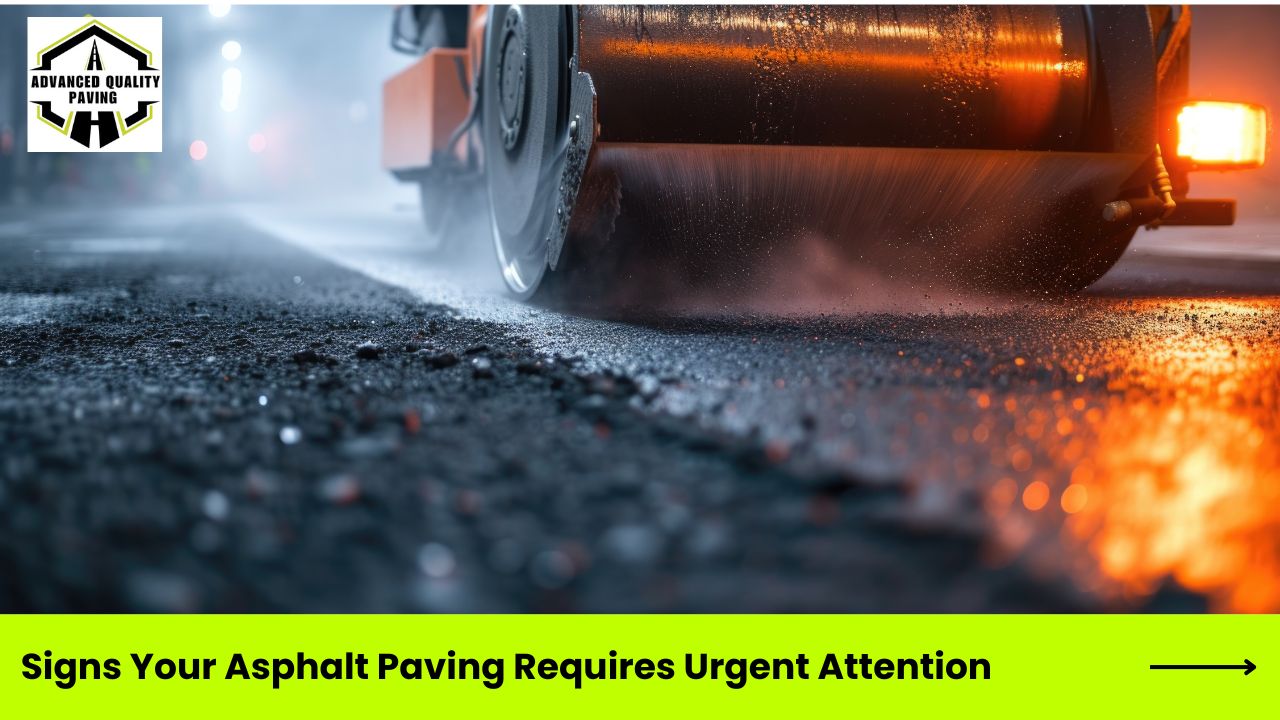
Is your asphalt paving starting to show signs of wear? Cracks, potholes, and pooling water can signal that your pavement needs urgent attention. In this post, readers will learn about key indicators, including surface wear and vegetation growth, that can affect both residential and commercial asphalt paving. By understanding these signs, property owners can take proactive steps to maintain their investment and ensure safety. If your paving faces issues, this article will help identify the problems quickly, allowing you to seek asphalt paving services and get a free estimate.
Key Takeaways
- Regular inspections can identify asphalt damage early, reducing long-term repair costs
- Proper drainage is essential to prevent pooling and damage in asphalt surfaces
- Sealcoating protects against wear and extends the lifespan of asphalt paving
- Addressing vegetation growth helps maintain asphalt integrity and appearance over time
- Timely repairs can prevent minor issues from escalating into costly problems
Signs of Cracking and Fractures in Asphalt Paving

Identifying surface cracks in asphalt paving, assessing their severity, and recognizing structural cracking are vital for maintaining quality surfaces in residential asphalt paving, parking lot paving, and highways. Attention to drainage issues and prompt evaluations can prevent further damage. This section outlines the signs of cracking, discusses implications, and emphasizes the need for immediate attention to ensure the longevity of pavement investments.
Identifying Surface Cracks and Their Severity
Identifying surface cracks in asphalt paving is essential for maintaining the integrity of any pavement, whether it is a residential driveway or a commercial parking lot. The severity of these cracks can vary, with minor surface fissures often indicating inadequate binder application or wear over time, while deeper, more pronounced fractures may signal significant structural issues that require urgent attention from a reputable paving company. Addressing these cracks not only preserves the pavement’s aesthetic appeal but also helps manage long-term repair budgets by preventing further damage that could lead to costly resurfacing or reconstruction efforts.
Understanding Structural Cracking and Its Implications
Structural cracking in asphalt paving is a serious concern for any property owner, as it typically indicates underlying issues with the foundation or poor installation practices. For instance, driveways that develop deep cracks may be suffering from inadequate drainage or oil seepage, which can deteriorate the paver’s integrity over time. Timely attention to these signs can prevent costly repairs, ensuring that the curb appeal and functionality of the pavement remain intact while extending the lifespan of the investment.
Evaluating the Need for Immediate Repairs
Evaluating the need for immediate repairs in asphalt paving is crucial for maintaining both safety and aesthetics on roads. Property owners should regularly inspect their pavements for signs of wear, including visible cracks and irregular surfaces. In cases where the damage extends beyond minor surface issues, the cost of maintenance and potential recycling of materials may outweigh waiting for more extensive repairs.
- Monitor for visible cracks and irregularities.
- Assess the severity of surface wear regularly.
- Consider the cost implications of delaying repairs.
- Request a free quote for maintenance services.
- Evaluate options for recycling damaged asphalt.
Pooling Water as a Warning Sign

Recognizing the impact of water accumulation is essential for effective pavement preservation. Poor drainage can lead to significant damage in asphalt due to pooling, which may cause increased costs for repairs. Understanding the causes, such as inadequate gravel base or poor construction practices, allows property owners to address issues promptly. Repair solutions can include drainage improvements and environmentally friendly practices to mitigate further damage.
Recognizing the Impact of Water Accumulation
Pooling water on asphalt surfaces often indicates poor drainage that can lead to further damage if not addressed promptly. Accumulated water can mix with debris and soil, affecting the structural integrity of the asphalt and its underlying layers. Property owners should regularly inspect their pavements for any signs of water accumulation, as ignoring this issue could lead to increased repair costs associated with both water damage and necessary maintenance.
Causes and Effects of Poor Drainage on Asphalt
Poor drainage on asphalt surfaces can arise from factors such as inadequate grading or insufficient drainage systems, leading to serious issues over time. Accumulated water can create conditions that promote the formation of potholes, further compromising the pavement’s structural integrity. Engaging a qualified asphalt paving company to assess and address these drainage issues early can prevent costly repairs and extend the lifespan of the pavement, ensuring optimal performance in the long run.
Repair Solutions for Water-Related Damage
Addressing water-related damage in asphalt paving involves several effective repair solutions. Implementing proper drainage systems can significantly reduce pooling by directing water away from the surface. Additionally, property owners may consider applying sealants to protect against moisture infiltration and potential deterioration, which enhances the overall durability of the asphalt.
| Repair Solutions | Description |
|---|---|
| Drainage Improvements | Installing effective drainage systems to redirect water away from asphalt surfaces. |
| Sealants | Applying sealants to protect asphalt from moisture and extend its lifespan. |
| Surface Re-grading | Regrading the pavement to ensure proper slope and prevent water accumulation. |
Potholes: Indicators of Asphalt Deterioration

Potholes are clear indicators of asphalt deterioration, and recognizing the difference between small dents and severe potholes is essential for property owners. Understanding the repair process for potholes helps to address damage effectively, while implementing long-term solutions can prevent future occurrences. Each of these topics provides valuable insights for maintaining pavement quality and ensuring safe driving conditions.
Differentiating Between Small Dents and Severe Potholes
Understanding the difference between small dents and severe potholes is essential for property owners concerned about asphalt paving deterioration. Small dents, often cosmetic, may present a minor inconvenience, while severe potholes indicate significant damage that can compromise structural integrity. Property owners should monitor their pavements regularly to ensure timely repairs before small issues escalate into costly consequences:
- Small dents often have minimal impact on driving conditions.
- Severe potholes can cause vehicle damage and pose safety hazards.
- Timely repairs are crucial to prevent further deterioration.
Understanding the Repair Process for Potholes
Understanding the repair process for potholes is essential for maintaining asphalt paving integrity. The first step involves assessing the pothole’s depth and width to determine the appropriate repair method, which could range from patching small holes to more extensive repairs for larger damage. Engaging a reputable paving company ensures not only that repairs are conducted effectively but also that suitable materials are used to restore the pavement’s durability and longevity, ultimately preventing the need for further interventions.
Long-Term Solutions to Prevent Future Potholes
To prevent future potholes in asphalt paving, property owners should focus on regular maintenance and effective drainage solutions. Investing in quality sealants can protect surfaces from moisture and wear, while ensuring proper grading directs water away from vulnerable areas can significantly reduce the risk of damage. Engaging a skilled paving company for periodic assessments helps identify potential issues before they escalate, ultimately preserving the integrity and appearance of the pavement.
Fading Color and Surface Wear

Fading asphalt color often signals the need for immediate action, highlighting the importance of sealcoating. Sealcoating protects surfaces, enhancing aesthetic appeal and extending durability. Recognizing when fading warrants urgent maintenance can restore both appearance and functionality, ensuring that asphalt paving remains safe and visually appealing. Addressing these issues promptly contributes to long-term pavement preservation.
The Importance of Sealcoating and Its Benefits
Sealcoating is essential for asphalt paving maintenance as it provides a protective layer that guards against the damaging effects of UV rays, rain, and regular wear. Property owners should consider sealcoating as a proactive measure to extend the lifespan of their asphalt surfaces, particularly when noticeable fading or surface wear appears. By investing in sealcoating, they can maintain both the aesthetic appeal and functional integrity of their driveways or parking lots, ultimately avoiding costly repairs or replacements down the line.
When Fading Indicates a Need for Immediate Action
Fading color in asphalt surfaces often serves as a critical warning that immediate action is necessary. Property owners should be aware that significant discoloration can indicate a breakdown of the protective sealant, exposing the pavement to harmful elements such as UV rays and moisture. Timely sealcoating not only revitalizes the appearance of asphalt but also safeguards its structural integrity, preventing more extensive damage that could lead to costly repairs or replacements.
Restoring Appearance and Functionality Through Maintenance
Restoring the appearance and functionality of asphalt paving requires timely maintenance actions, particularly when signs of fading color and surface wear are evident. Regular application of sealcoating can revitalize the asphalt, providing essential protection against the sun’s damaging UV rays and harsh weather conditions. This proactive approach not only enhances the aesthetic appeal but also significantly increases the longevity of the pavement, preventing costly repairs and replacements in the future.
Weeds and Vegetation Growth in Asphalt

Weeds and vegetation growth in asphalt paving can signal underlying issues that require immediate attention. Identifying invasive roots is crucial as they can compromise structural integrity. Effective management of plant growth plays a key role in enhancing the longevity of the pavement. Implementing solutions for preventing future vegetation issues ensures that asphalt surfaces remain intact and visually appealing.
Identifying Invasive Roots That Compromise Structure
Identifying invasive roots in asphalt is crucial for maintaining the structural integrity of paved surfaces, as roots can penetrate and undermine the asphalt layers over time. Property owners should regularly inspect for signs of weed and plant growth, as these can indicate deeper issues with underlying roots that may cause cracks or uneven surfaces. Early intervention in addressing these vegetation concerns not only helps preserve the pavement but also prevents costly repairs associated with extensive damage caused by invasive growth.
Managing Plant Growth to Enhance Longevity
Managing plant growth effectively is essential for preserving the longevity of asphalt surfaces. Property owners should routinely inspect their pavements and promptly remove any visible weeds or vegetation, as these can compromise the asphalt’s structural integrity and lead to more significant damage over time. Implementing preventive measures, such as applying herbicides or installing vegetation barriers, not only helps maintain the appearance of the paving but also protects against future invasive growth that could require extensive repairs.
- Regular inspections help identify invasive plant growth.
- Prompt removal of weeds preserves structural integrity.
- Applying herbicides can prevent future vegetation issues.
- Vegetation barriers can protect paving from invasive roots.
Solutions for Preventing Future Vegetation Issues
To prevent future vegetation issues in asphalt, property owners should implement effective solutions such as installing vegetation barriers and using appropriate herbicides. Regular maintenance, including routine inspections to remove weeds, is crucial for keeping asphalt surfaces intact. These proactive measures can significantly enhance the longevity of the pavement and prevent costly repairs:
| Solution | Description |
|---|---|
| Vegetation Barriers | Installing barriers that prevent root penetration into the asphalt, maintaining structural integrity. |
| Herbicides | Applying targeted herbicides to eliminate existing weeds and inhibit future growth. |
| Regular Inspections | Conducting frequent checks for plant growth to ensure early intervention and maintenance. |
Uneven Surfaces and Settlement Issues

Recognizing signs of asphalt settling or buckling is essential for maintaining the integrity of paved surfaces. Traffic loads can significantly impact asphalt, leading to surface irregularities that compromise safety and appearance. Correcting these issues through professional intervention ensures lasting stability and functionality for both residential and commercial settings, promoting optimal performance over time.
Recognizing Signs of Asphalt Settling or Buckling
Recognizing signs of asphalt settling or buckling is essential for maintaining the safety and longevity of paved surfaces. Property owners should be vigilant for visible irregularities such as dips, raised sections, or unsightly cracks that may signal underlying settlement issues. Addressing these problems promptly can prevent further damage and ensure the stability of the pavement investment:
- Check for visible dips or low areas in the asphalt.
- Look for raised sections that disrupt the surface plane.
- Monitor for cracks that may widen over time.
Assessing the Impact of Traffic Loads on Asphalt Integrity
Assessing the impact of traffic loads on asphalt integrity is essential for identifying potential issues before they escalate into major problems. Heavy vehicles exert significant pressure on asphalt surfaces, leading to uneven wear, cracks, and eventual buckling if not monitored regularly. Property owners should routinely check for signs of surface irregularities, such as dips and raised areas, to maintain safe and functional pavement:
- Monitor for visible cracks or surface disruptions.
- Inspect regularly for dips or low areas.
- Evaluate traffic patterns to anticipate surface stress.
Correcting Surface Irregularities Through Professional Help
Correcting surface irregularities in asphalt paving is a task best handled by experienced professionals, as they bring the necessary expertise and equipment to restore the pavement’s integrity. For instance, when encountering issues such as dips or raised sections, a qualified paving company can assess the extent of the damage and recommend solutions, such as regrading or overlaying the damaged area. Property owners should not hesitate to seek professional assistance, as timely intervention can prevent further deterioration and ensure safe driving conditions.
Frequently Asked Questions
What are the signs of cracking and fractures in asphalt paving?
Signs of cracking and fractures in asphalt paving include surface fissures, alligator cracking, shifting pavement sections, and water pooling. These indicators suggest underlying issues that may require immediate attention for effective asphalt repair services.
How does pooling water indicate asphalt problems?
Pooling water on asphalt surfaces often signals issues like poor drainage, cracks, or uneven settling, which can lead to further damage. Regular assessments by experienced asphalt contractors can prevent these problems from escalating.
What causes potholes to form in asphalt surfaces?
Potholes in asphalt surfaces are primarily caused by moisture infiltration, freeze-thaw cycles, and heavy traffic stress. When water seeps beneath the pavement and freezes, it expands, leading to surface cracking and eventual collapse.
Why is fading color a concern for asphalt paving?
Fading color in asphalt paving is a concern as it indicates material degradation, impacting durability and visual appeal. This can lead to higher maintenance costs and reduced property value, underscoring the importance of quality asphalt installation and upkeep.
How does vegetation growth affect asphalt integrity?
Vegetation growth can undermine asphalt integrity by creating cracks and fissures as roots expand. This interference leads to water infiltration, compromising the durability of asphalt surfaces, necessitating timely maintenance to preserve pavement quality.
Conclusion
Recognizing the signs that asphalt paving requires urgent attention is vital for property owners to maintain safe and functional surfaces. Timely identification of issues such as cracking, water pooling, potholes, fading, vegetation growth, and surface irregularities can prevent costly repairs and extend the lifespan of the pavement. Regular inspections and prompt action contribute significantly to preserving both the aesthetic and structural integrity of asphalt surfaces. Prioritizing maintenance not only safeguards investments but also ensures optimal performance for residential and commercial properties alike.
