
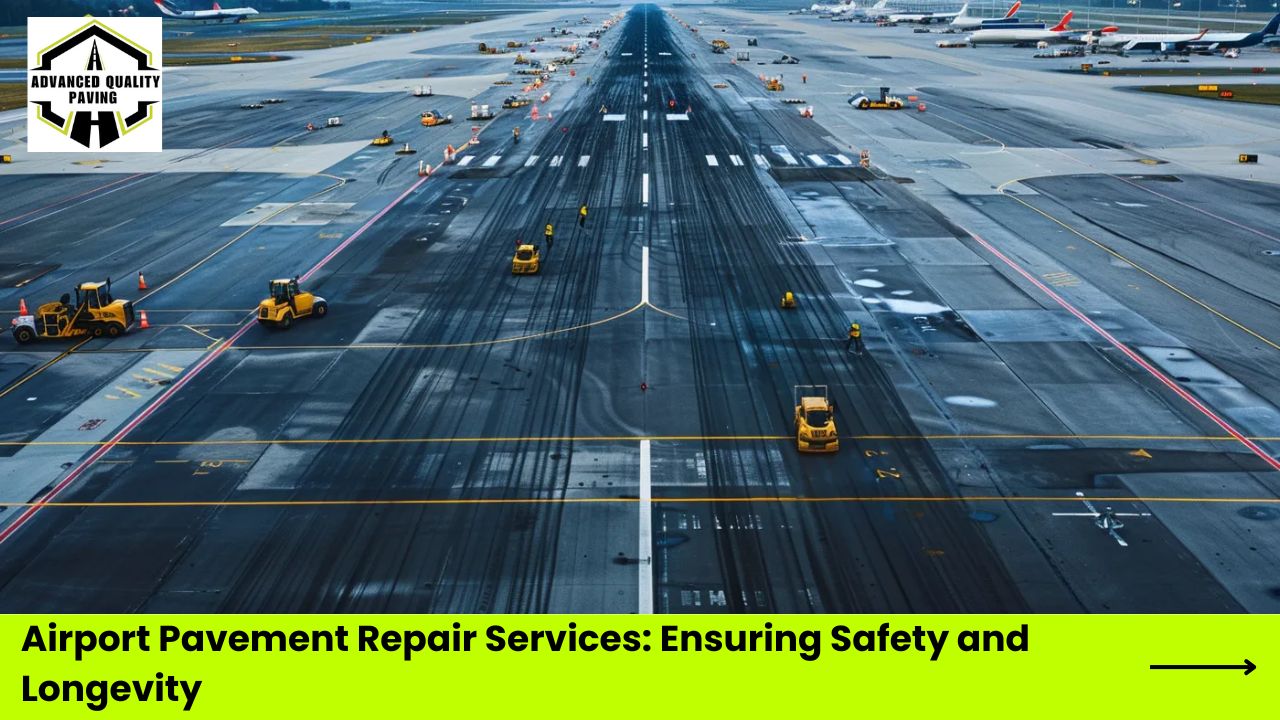
Airport pavement repair is crucial for maintaining safety and efficiency in air travel. This article explores the importance of timely repairs, key safety considerations, and comprehensive repair approaches. Readers will learn about successful repair case studies and collaboration with industry experts. By understanding these aspects, airport operators can ensure safer operations and extend the lifespan of their pavements, ultimately reducing costs and minimizing disruptions to air traffic.
Key Takeaways
- Regular maintenance and timely repairs are crucial for airport pavement safety and longevity
- Advanced technologies like smart sensors enable proactive monitoring and predictive maintenance of airport pavements
- Sustainable practices in pavement repair reduce environmental impact and offer long-term cost savings
- Collaboration with experienced professionals is essential for effective airport pavement management and repair
- Evolving regulations require airports to adapt their pavement repair strategies to meet new safety standards
Understanding Airport Pavement Repair Services for Safety and Longevity

Airport pavement repair services are crucial for ensuring safety and longevity in aviation infrastructure. Regular maintenance, addressing common damage types, selecting appropriate materials, implementing preventative measures, and utilizing innovative technologies are key aspects of effective pavement management. The Transportation Research Board emphasizes the importance of these practices in maintaining safe and efficient airport operations in Alabama and across the nation.
Importance of Regular Maintenance in Airport Pavements
Regular maintenance of airport pavements is essential for ensuring safety and longevity in aviation infrastructure. The Federal Aviation Administration emphasizes the importance of implementing a comprehensive management system that incorporates geographic information systems for efficient pavement monitoring. This approach allows airports to identify and address issues promptly, such as cracks in concrete surfaces or deteriorating sealants. By conducting routine inspections and performing timely repairs, airports can extend the lifespan of their pavements, reduce long-term costs, and maintain optimal operational conditions for aircraft:
| Maintenance Activity | Frequency | Benefits |
|---|---|---|
| Visual Inspections | Monthly | Early detection of surface issues |
| Crack Sealing | Annually | Prevents water infiltration |
| Surface Treatments | Every 3-5 years | Extends pavement life |
| Major Rehabilitation | Every 15-20 years | Restores structural integrity |
Common Types of Pavement Damage and Repair Techniques
Airport pavements face various types of damage, including cracking, rutting, and foreign object debris (FOD) accumulation. Repair techniques often involve pressure washing to remove contaminants and prepare surfaces for treatment. Advanced data collection methods aid in identifying problem areas on runways and taxiways, allowing for targeted repairs. Environmentally friendly materials and processes are increasingly used to minimize the impact on surrounding ecosystems while ensuring the safety of aircraft operations.
Selecting the Right Materials for Airport Pavement Repairs
Selecting the right materials for airport pavement repairs requires careful consideration of equipment, budget, and maintenance services. The design of airport infrastructure demands materials that can withstand heavy loads and extreme weather conditions. Airports must balance cost-effectiveness with durability to ensure long-term performance and safety. Here’s a comparison of common materials used in airport pavement repairs:
| Material | Advantages | Disadvantages | Best Use Case |
|---|---|---|---|
| Portland Cement Concrete | High strength, long lifespan | Expensive, longer curing time | Runways, high-traffic areas |
| Asphalt Concrete | Quick installation, cost-effective | Shorter lifespan, less durable | Taxiways, aprons |
| Polymer-Modified Bitumen | Improved flexibility, crack resistance | Higher initial cost | Areas prone to temperature extremes |
| Rapid-Setting Concrete | Fast curing, minimizes downtime | More expensive than standard concrete | Emergency repairs, time-sensitive projects |
Preventative Measures to Enhance Pavement Lifespan
Implementing preventative measures significantly enhances airport pavement lifespan. A comprehensive maintenance program includes regular runway inspections, timely airfield rubber removal, and reapplication of paint markings. Airports utilize advanced technology for precise monitoring and early detection of potential issues, allowing for proactive interventions before problems escalate. These strategies not only extend pavement durability but also ensure optimal safety conditions for aircraft operations.
Innovative Technologies in Pavement Repair Services
Innovative technologies are revolutionizing airport pavement repair services, enhancing safety and efficiency. Advanced friction testing equipment enables precise measurement of runway surface conditions, ensuring compliance with International Civil Aviation Organization standards. Construction contracts now often include requirements for employing cutting-edge techniques such as infrared thermography for non-destructive pavement evaluation, allowing for targeted repairs and reduced downtime.
Key Considerations for Safe Airport Operations

Safe airport operations rely on key considerations in pavement maintenance. These include compliance with aviation safety standards, regular condition assessments, skilled professional involvement, emergency repair protocols, and environmental impact management. Effective crack sealing and other maintenance practices are crucial for ensuring the longevity and safety of airport pavements, supporting reliable aviation operations.
Compliance With Aviation Safety Standards
Compliance with aviation safety standards is paramount in airport pavement repair services. The Federal Aviation Administration (FAA) sets rigorous guidelines for pavement maintenance, including specifications for surface friction, roughness, and foreign object debris (FOD) management. Airports must adhere to these standards to maintain their certification and ensure safe aircraft operations. Regular audits and inspections by aviation authorities help verify compliance and identify areas for improvement in pavement maintenance practices.
Assessing Airport Pavement Conditions Regularly
Regular assessment of airport pavement conditions is essential for maintaining safe operations and optimizing maintenance strategies. Airports employ sophisticated technologies, such as ground-penetrating radar and laser profiling, to evaluate pavement integrity, surface texture, and structural capacity. These assessments help identify potential issues before they become critical, allowing for timely interventions and cost-effective repairs that minimize disruptions to airport operations.
The Role of Skilled Professionals in Pavement Maintenance
Skilled professionals play a crucial role in airport pavement maintenance, ensuring safe and efficient operations. These experts possess specialized knowledge in pavement engineering, materials science, and aviation regulations. They conduct thorough inspections, analyze data from advanced monitoring systems, and develop tailored maintenance strategies. Their expertise is essential for implementing complex repair techniques, such as rapid-set concrete applications or precision milling, which require a deep understanding of airport-specific challenges and safety requirements:
| Professional Role | Key Responsibilities | Impact on Safety |
|---|---|---|
| Pavement Engineer | Design repair solutions, material selection | Ensures structural integrity |
| Quality Control Specialist | Monitor repair processes, compliance checks | Maintains high standards |
| Airport Operations Manager | Coordinate repairs, minimize disruptions | Balances safety and efficiency |
| Environmental Specialist | Assess ecological impact, recommend sustainable practices | Promotes long-term sustainability |
Emergency Repairs and Response Protocols
Emergency repairs and response protocols are critical components of airport pavement maintenance. Airports must have well-defined procedures in place to address sudden pavement failures or damage that could compromise aircraft safety. These protocols typically include rapid assessment techniques, pre-approved repair materials, and specialized equipment ready for immediate deployment. Airport staff and contractors undergo regular training to ensure swift and effective responses to pavement emergencies, minimizing disruptions to flight operations while maintaining strict safety standards:
| Emergency Response Step | Action | Timeframe |
|---|---|---|
| Initial Assessment | Evaluate damage severity and impact on operations | Within 30 minutes |
| Temporary Closure | Secure affected area and reroute traffic if necessary | Immediate |
| Repair Team Mobilization | Deploy specialized personnel and equipment | Within 1 hour |
| Rapid Repair Execution | Implement quick-setting material solutions | 2-4 hours |
Environmental Impact of Pavement Repair Practices
Environmental impact considerations play a crucial role in modern airport pavement repair practices. Airports increasingly adopt eco-friendly materials and techniques to minimize their ecological footprint while maintaining safety standards. These practices include using recycled asphalt, implementing low-emission repair equipment, and employing water conservation methods during maintenance activities. The aviation industry’s commitment to sustainability extends to pavement management, balancing environmental responsibility with operational efficiency:
- Utilization of recycled materials in pavement mixtures
- Implementation of low-emission repair equipment
- Application of water conservation techniques during maintenance
- Development of noise reduction strategies for repair activities
- Integration of permeable pavement designs to manage stormwater runoff
Comprehensive Approach to Airport Pavement Repair

Airport pavement repair requires a comprehensive approach encompassing initial assessment, tailored strategies, efficient scheduling, quality control, and long-term maintenance. This systematic process ensures the safety and longevity of airport infrastructure while minimizing operational disruptions. By addressing each phase meticulously, airports can maintain optimal pavement conditions and comply with stringent aviation safety standards.
Initial Assessment and Damage Evaluation Process
The initial assessment and damage evaluation process forms the foundation of effective airport pavement repair. Skilled engineers conduct thorough inspections using advanced technologies such as ground-penetrating radar and laser profiling to identify surface and subsurface issues. This comprehensive evaluation allows airports to prioritize repairs, develop targeted strategies, and allocate resources efficiently, ensuring the safety and longevity of runway infrastructure.
Developing a Tailored Repair Strategy
Developing a tailored repair strategy is crucial for effective airport pavement maintenance. Engineers analyze assessment data to create customized plans that address specific pavement issues while considering operational constraints and budgetary limitations. These strategies often incorporate a combination of repair techniques, ranging from surface treatments to full-depth reconstruction, depending on the severity and extent of damage. A well-crafted repair strategy ensures optimal resource allocation and minimizes disruptions to airport operations:
- Prioritize repairs based on safety criticality and traffic volume
- Select appropriate repair methods for each pavement section
- Determine optimal timing for interventions to minimize operational impact
- Allocate resources efficiently across multiple repair projects
- Integrate preventative maintenance measures into the overall strategy
Scheduling and Execution of Repair Work
Scheduling and executing repair work at airports requires meticulous planning to minimize disruptions to flight operations. Airport managers coordinate with contractors to establish precise timelines, often conducting major repairs during off-peak hours or seasonal lulls. The execution phase involves careful sequencing of tasks, with crews working in designated zones to maintain operational continuity. Advanced project management tools help optimize resource allocation and track progress, ensuring timely completion of repairs while adhering to strict safety protocols.
Quality Control Measures During Repair Processes
Quality control measures play a crucial role in airport pavement repair processes. Experienced technicians conduct rigorous testing at each stage of the repair, ensuring materials meet specifications and application techniques adhere to industry standards. These measures include on-site material sampling, compaction testing, and surface texture analysis. By implementing strict quality control protocols, airports maintain the integrity of their pavements, enhancing safety and extending the lifespan of repaired surfaces.
Long-Term Monitoring and Maintenance Strategy
Long-term monitoring and maintenance strategies are essential for preserving airport pavement integrity and safety. Airports implement continuous assessment programs using advanced sensors and data analytics to track pavement performance over time. These systems allow for early detection of deterioration, enabling proactive maintenance interventions that prevent costly repairs and minimize operational disruptions. Regular inspections, coupled with predictive modeling, help airports optimize their maintenance schedules and allocate resources effectively, ensuring the longevity of pavement infrastructure while maintaining compliance with aviation safety standards.
Case Studies Demonstrating Successful Airport Pavement Repairs

Case studies of successful airport pavement repairs offer valuable insights into effective strategies and outcomes. These examples highlight lessons learned from major projects, cost-effective maintenance solutions, community impact, and future-proofing techniques. By examining real-world applications, airports can improve their approach to pavement repair, ensuring enhanced safety and longevity of aviation infrastructure.
Repairing High Traffic Areas: Strategies and Outcomes
A case study from a major international airport demonstrates effective strategies for repairing high-traffic areas. The airport implemented a phased approach, conducting repairs during off-peak hours and using rapid-setting materials to minimize disruptions. This strategy resulted in a 30% reduction in downtime compared to traditional methods, while maintaining the highest safety standards. The success of this project highlights the importance of careful planning and innovative materials in managing repairs in critical airport zones.
Lessons Learned From Major Airport Repair Projects
Major airport repair projects have yielded valuable lessons for improving pavement maintenance strategies. One key insight from recent projects is the importance of comprehensive pre-construction surveys to accurately assess subsurface conditions, which helps prevent unexpected delays and cost overruns. Another lesson learned emphasizes the need for flexible scheduling to accommodate unforeseen weather events or operational changes. Additionally, successful projects have demonstrated the benefits of using modular repair techniques, allowing for quicker installations and easier future maintenance.
Cost-Effective Solutions for Pavement Maintenance
A case study from a regional airport demonstrates cost-effective solutions for pavement maintenance. The airport implemented a proactive maintenance strategy, using microcrack detection technology to identify and seal small fissures before they developed into larger problems. This approach reduced repair costs by 40% over five years and extended the pavement’s lifespan by an estimated 25%. The success of this program underscores the value of early intervention and advanced diagnostic tools in airport pavement management.
Community Impact of Successful Repair Initiatives
Successful airport pavement repair initiatives have demonstrated significant positive impacts on local communities. A case study from a mid-sized airport revealed that timely and efficient repairs led to reduced noise pollution and improved air quality due to smoother runway surfaces and optimized aircraft operations. The project also created job opportunities for local contractors and stimulated economic growth in the surrounding area. Additionally, the airport’s enhanced safety record and improved operational efficiency increased public confidence, leading to higher passenger numbers and expanded flight options for residents.
Future-Proofing Airport Pavements for Increased Safety
A case study from a major international airport showcases innovative approaches to future-proofing pavements for increased safety. The airport implemented smart sensor technology embedded within the runway surface, allowing real-time monitoring of pavement conditions and early detection of potential issues. This system, combined with predictive maintenance algorithms, enabled the airport to address problems before they affected aircraft operations, resulting in a 50% reduction in unscheduled runway closures over a three-year period. The success of this initiative demonstrates the potential of integrating advanced technology with traditional pavement management practices to enhance long-term safety and operational efficiency.
Collaborating With Experts in Airport Pavement Repair

Collaborating with experts in airport pavement repair is essential for ensuring safety and longevity. This section explores selecting reliable service providers, the importance of experience, building long-term partnerships, technician training and certification, and staying updated on maintenance trends. These topics highlight the critical role of expertise in maintaining high-quality airport infrastructure.
Choosing a Reliable Pavement Repair Service Provider
Selecting a reliable pavement repair service provider is crucial for airport safety and efficiency. Airports should evaluate potential contractors based on their experience with aviation-specific projects, technical expertise, and track record of compliance with FAA regulations. Key factors to consider include the provider’s use of advanced technologies, ability to work within tight operational constraints, and commitment to quality control. A thorough vetting process helps ensure that the chosen service provider can deliver high-quality repairs while minimizing disruptions to airport operations:
| Evaluation Criteria | Importance | Assessment Method |
|---|---|---|
| Aviation Industry Experience | High | Review past projects and client references |
| Technical Expertise | Critical | Verify certifications and staff qualifications |
| FAA Compliance History | Essential | Check regulatory records and audit reports |
| Advanced Technology Utilization | Important | Assess equipment inventory and case studies |
Importance of Experience and Expertise in the Field
Experience and expertise are paramount in airport pavement repair services. Skilled professionals with extensive industry knowledge can accurately assess pavement conditions, identify potential issues before they escalate, and implement effective repair strategies. Their expertise ensures compliance with stringent aviation safety standards, minimizes operational disruptions, and maximizes the longevity of airport infrastructure. Seasoned experts also bring valuable insights from past projects, allowing for innovative solutions and efficient problem-solving in complex repair scenarios.
Building Long-Term Partnerships for Ongoing Maintenance
Building long-term partnerships for ongoing maintenance is essential for airports to ensure consistent pavement quality and safety. By establishing strong relationships with reputable repair service providers, airports benefit from continuous expertise, streamlined communication, and a deep understanding of their specific infrastructure needs. These partnerships often lead to more efficient maintenance schedules, proactive problem-solving, and cost-effective solutions tailored to the airport’s unique operational requirements.
Training and Certification of Pavement Repair Technicians
Training and certification of pavement repair technicians are crucial components in maintaining airport safety and infrastructure quality. Reputable service providers invest in comprehensive training programs that cover the latest repair techniques, safety protocols, and equipment operation. These programs often include both classroom instruction and hands-on experience, ensuring technicians can effectively address the unique challenges of airport pavement maintenance. Certification from recognized industry bodies, such as the American Concrete Institute or the National Asphalt Pavement Association, validates technicians’ expertise and commitment to professional standards:
- Initial training on airport-specific safety regulations
- Specialized courses in pavement assessment and repair techniques
- Ongoing education to stay current with technological advancements
- Certification exams to demonstrate proficiency in key areas
- Regular skill assessments and performance evaluations
Resources for Stay Updated on Pavement Maintenance Trends
Airport professionals can stay updated on pavement maintenance trends through various resources. Industry associations like the American Association of Airport Executives and the Airport Consultants Council offer conferences, webinars, and publications focused on the latest developments in airport infrastructure. Technical journals such as the Transportation Research Record provide in-depth research on pavement technologies and maintenance strategies. Additionally, the Federal Aviation Administration regularly updates its advisory circulars, offering guidance on best practices for airport pavement management and repair techniques.
Future Trends in Airport Pavement Repair Services

Future trends in airport pavement repair services focus on enhancing safety and longevity through innovative approaches. Advancements in materials and techniques, sustainability practices, smart monitoring technologies, and data-driven predictive maintenance are shaping the industry. These developments, coupled with evolving regulations, are transforming how airports maintain their critical infrastructure, ensuring safer and more efficient operations.
Advancements in Materials and Techniques
Advancements in materials and techniques are revolutionizing airport pavement repair services. Researchers have developed high-performance concrete mixtures that offer increased durability and faster curing times, reducing runway closure periods. New polymer-modified asphalt formulations provide enhanced resistance to rutting and cracking, extending pavement lifespan in extreme weather conditions. These innovations, coupled with precision application methods such as automated paving machines, enable airports to maintain safer, longer-lasting surfaces while minimizing operational disruptions.
Impact of Sustainability on Pavement Repair Practices
Sustainability is increasingly shaping airport pavement repair practices, driving the adoption of eco-friendly materials and techniques. Airports are incorporating recycled asphalt and concrete into their repair mixtures, reducing waste and lowering carbon emissions. The use of warm-mix asphalt technologies has gained traction, allowing for lower production temperatures and reduced energy consumption during repairs. These sustainable practices not only benefit the environment but also contribute to cost savings and improved pavement performance over time:
| Sustainable Practice | Environmental Benefit | Operational Advantage |
|---|---|---|
| Recycled Materials | Reduced landfill waste | Cost savings on raw materials |
| Warm-Mix Asphalt | Lower carbon emissions | Extended paving season |
| Permeable Pavements | Improved stormwater management | Reduced surface water accumulation |
| Solar Roadways | Clean energy generation | Enhanced visibility and de-icing capabilities |
Integration of Smart Technologies in Pavement Monitoring
The integration of smart technologies in pavement monitoring is revolutionizing airport maintenance practices. Advanced sensor systems embedded within runway surfaces now provide real-time data on pavement conditions, enabling proactive maintenance and reducing the risk of unexpected failures. These smart monitoring solutions incorporate a range of technologies, including strain gauges, temperature sensors, and moisture detectors, offering a comprehensive view of pavement health. The data collected is analyzed using sophisticated algorithms to predict potential issues before they impact aircraft operations:
| Smart Technology | Function | Benefit |
|---|---|---|
| Embedded Sensors | Continuous pavement condition monitoring | Early detection of structural issues |
| Data Analytics | Predictive maintenance modeling | Optimized repair scheduling |
| IoT Connectivity | Real-time data transmission | Rapid response to emerging problems |
| Autonomous Inspection Drones | High-resolution surface imaging | Efficient large-area assessments |
Predictive Maintenance Using Data Analytics
Predictive maintenance using data analytics is transforming airport pavement repair services. Advanced algorithms analyze data from various sources, including embedded sensors, weather stations, and aircraft movement patterns, to forecast potential pavement issues before they become critical. This proactive approach allows airports to schedule maintenance activities more efficiently, reducing unexpected closures and extending pavement lifespan. By leveraging machine learning techniques, these systems continuously improve their predictive accuracy, enabling airport operators to optimize resource allocation and minimize disruptions to flight operations.
Evolving Regulations and Their Effect on Services
Evolving regulations in the aviation industry are significantly impacting airport pavement repair services. The Federal Aviation Administration continually updates its guidelines, incorporating new safety standards and environmental requirements. These changes often necessitate modifications in repair techniques, materials used, and maintenance schedules. Airports must adapt their pavement management strategies to comply with these evolving regulations, which may include stricter environmental impact assessments, more frequent inspections, or the adoption of specific repair methodologies to enhance safety and sustainability.
Frequently Asked Questions
What are the main safety considerations for airport pavement repair?
Airport pavement repair requires careful planning to ensure safety. Key considerations include proper traffic management, clear communication with air traffic control, use of appropriate equipment and materials, adherence to regulatory standards, and minimizing debris to prevent foreign object damage (FOD) to aircraft.
How does a comprehensive approach to airport pavement repair benefit operations?
A comprehensive approach to airport pavement repair enhances safety, reduces downtime, and extends infrastructure lifespan. By addressing issues systematically, airports minimize disruptions, improve operational efficiency, and ensure compliance with regulatory standards. This holistic strategy ultimately leads to cost savings and improved passenger experience.
Can you provide examples of successful airport pavement repair projects?
Advanced Quality Paving has successfully completed numerous airport pavement repair projects in Beckley and surrounding areas. Their experienced asphalt contractors have efficiently addressed issues such as runway cracks, taxiway resurfacing, and apron maintenance, ensuring safe and smooth operations for both commercial and private airports.
Why is collaborating with experts important in airport pavement repair?
Collaborating with experts in airport pavement repair ensures the use of specialized knowledge, advanced techniques, and industry-specific equipment. This collaboration leads to more efficient, cost-effective, and durable repairs, minimizing disruptions to airport operations and enhancing overall safety for aircraft and passengers.
What future trends are emerging in airport pavement repair services?
Emerging trends in airport pavement repair services include the use of advanced materials like polymer-modified asphalt, automated crack detection technologies, and rapid-setting concrete for quicker repairs. Sustainability efforts are also driving the adoption of recycled materials and environmentally friendly maintenance practices to reduce the carbon footprint of airport infrastructure.
Conclusion
Airport pavement repair services are critical for maintaining safe and efficient aviation operations, requiring a comprehensive approach that includes regular maintenance, advanced technologies, and sustainable practices. Skilled professionals play a vital role in implementing effective repair strategies, utilizing innovative materials and techniques to address common pavement issues while minimizing operational disruptions. Collaboration with experienced service providers and adherence to evolving regulations ensure airports can optimize their pavement management, enhancing safety and extending infrastructure lifespan. As the industry continues to evolve, integrating smart monitoring systems and predictive maintenance using data analytics will further improve the efficiency and effectiveness of airport pavement repair services, ultimately contributing to safer and more sustainable air travel.
