
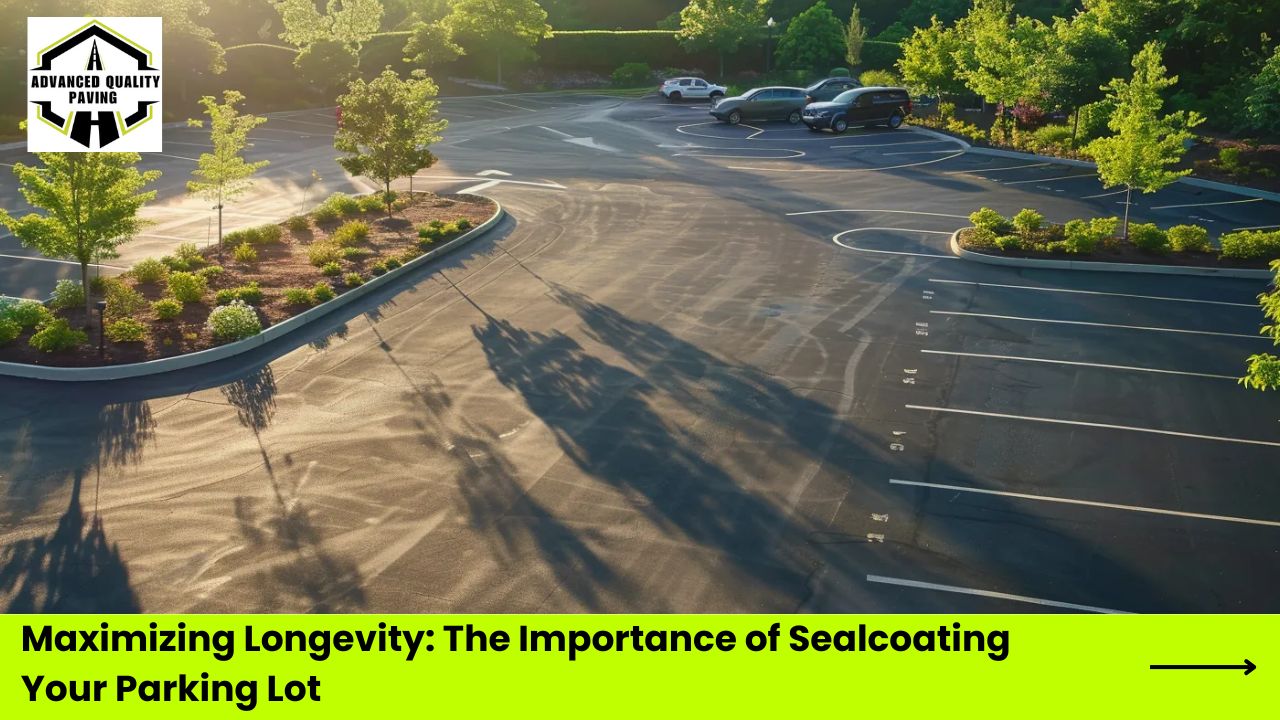
Is your parking lot showing signs of wear and tear? Sealcoating can extend its life and save you money. This article explains the importance of sealcoating, its impact on longevity, and how to choose the right contractor. You’ll learn when to sealcoat, understand its cost-effectiveness, and see real-world examples of successful projects. By the end, you’ll have the knowledge to make informed decisions about maintaining your parking lot and maximizing its lifespan.
Understanding Sealcoating for Your Parking Lot
Sealcoating is a protective layer applied to asphalt surfaces, including parking lots. This section explores the composition of sealcoat products and their role in extending pavement life. Understanding these elements helps property owners make informed decisions about maintaining their parking facilities, whether it’s a multistorey car park or a lot with disabled parking spaces. Proper sealcoating can enhance a property’s website appeal and reduce long-term maintenance costs.
What Is Sealcoating?
Sealcoating is a protective treatment applied to asphalt surfaces, designed to extend the life of parking lots and other paved areas. This process involves applying a thin, liquid layer over the existing asphalt, creating a barrier against harmful elements such as UV rays, water, and chemicals. Sealcoating not only enhances the appearance of the parking space but also helps maintain its structural integrity, making it an essential component of pavement maintenance for businesses and property owners in cities like Miami.
| Sealcoating Benefits | Impact on Parking Lot |
|---|---|
| Protection from UV rays | Prevents fading and cracking |
| Water resistance | Reduces moisture penetration |
| Chemical resistance | Guards against oil and gas spills |
| Enhanced appearance | Improves property value |
Key Ingredients in Sealcoat Products
Sealcoat products typically contain a blend of key ingredients designed to protect and enhance parking surfaces. These components work together to create a durable barrier that withstands heavy traffic, exposure to weather elements, and potential damage from vehicles using parking spaces or interacting with parking meters and kiosks. The main ingredients in quality sealcoat products include:
- Asphalt emulsion or refined coal tar
- Water
- Mineral fillers
- Polymers and additives
- Sand or aggregate for improved traction
Benefits of Sealcoating for Pavement Longevity
Sealcoating offers significant benefits for pavement longevity in urban areas, particularly for parking lots with high traffic and exposure to environmental factors. By creating a protective barrier, sealcoating helps prevent water infiltration and oxidation, reducing the risk of cracks and potholes. This preservation technique is especially valuable for lots with charging stations, as it protects the underlying infrastructure that supports electricity-powered vehicles. Regular sealcoating can extend the life of a parking lot by up to 30%, reducing the need for costly repairs and full replacements.
The Longevity Impact of Sealcoating
Sealcoating plays a crucial role in extending pavement life and preventing damage to parking lots. This section examines how sealcoating protects against environmental factors, slows the aging process, and enhances walkability. By analyzing data on pavement longevity and considering factors like floor maintenance and parking reservations, property managers can make informed decisions about sealcoating to improve communication with tenants and maximize their parking lot’s lifespan.
How Sealcoating Prevents Damage
Sealcoating acts as a protective barrier for parking facilities, shielding the asphalt from harmful elements that can cause damage. It prevents water penetration, which can lead to cracks and potholes, especially in areas where electric vehicles frequently park for charging. The sealant also protects against UV rays, oil spills, and chemicals that can deteriorate the surface over time. By creating a smooth, sealed surface, sealcoating improves the overall durability of the parking lot, ensuring a safer environment for passengers and vehicles during meetings or daily use.
The Aging Process of Parking Lots
Parking lots undergo a natural aging process due to constant vehicle traffic, environmental factors, and urban planning challenges. Over time, the asphalt surface deteriorates, leading to cracks, potholes, and potential safety hazards. Without proper maintenance, these issues can escalate, resulting in parking violations and increased liability for property owners. Regular inspections and upkeep of parking lot items, such as signs and markings, are essential to mitigate the effects of aging and ensure the longevity of the facility.
Sealcoating and Its Role in Extending Pavement Life
Sealcoating plays a crucial role in extending pavement life, particularly for parking lots and garages. By creating a protective barrier, it shields the asphalt from water infiltration, UV rays, and chemical spills, which can cause significant damage over time. This protective layer is especially important for facilities managed by entities like the Philadelphia Parking Authority, where high traffic and exposure to various elements can accelerate wear. Sealcoating also enhances the safety and functionality of parking areas for electric cars, ensuring that charging stations remain accessible and secure. Regular application of sealcoat can significantly increase the lifespan of pavement, reducing the need for costly repairs and improving the overall credit worthiness of the property.
The Best Time to Sealcoat Your Parking Lot
Determining the optimal time for sealcoating a parking lot is crucial for maximizing its longevity and accessibility. This section explores seasonal considerations, signs indicating the need for sealcoating, and recommended frequency. Property managers can use this information to plan maintenance effectively, ensuring their parking facilities remain in top condition while managing cash flow. Understanding these factors helps protect investments and maintain safe parking avenues for all users.
Seasonal Considerations for Sealcoating
Seasonal factors play a crucial role in determining the optimal time for sealcoating parking lots. Ideal conditions include warm temperatures and low humidity, typically found in late spring and early fall. Property managers should consider weather forecasts and transportation patterns when scheduling sealcoating to minimize disruption. During hotter months, cashiers and credit card machines in outdoor parking areas may need temporary relocation. Providing clear information about the process and any temporary changes helps ensure a smooth experience for both staff and patrons.
Signs Your Parking Lot Needs Sealcoating
Several signs indicate a parking lot needs sealcoating. Fading or graying asphalt, visible cracks, and rough texture are clear indicators that protective measures are necessary. Property managers should inspect their lots regularly for these signs, particularly in high-traffic areas or near parking meters. Addressing these issues promptly through sealcoating can prevent more extensive damage and maintain the lot’s functionality and safety for all users.
Recommended Frequency for Sealcoating
Experts recommend sealcoating parking lots every 2-3 years, depending on usage and climate conditions. High-traffic areas or lots exposed to harsh weather may require more frequent treatment. Regular sealcoating helps maintain the protective barrier, preventing costly repairs and extending the pavement’s lifespan. Property managers should schedule assessments annually to determine if sealcoating is needed, ensuring optimal protection and functionality of their parking facilities.
Cost vs. Value of Sealcoating
Evaluating the cost-effectiveness of sealcoating is crucial for property managers. This section examines the breakdown of sealcoating expenses, long-term savings, and comparisons with alternative maintenance options. Understanding these factors helps decision-makers invest wisely in parking lot upkeep, balancing immediate costs against future benefits to maximize the longevity and value of their pavement assets.
Breakdown of Sealcoating Costs
Sealcoating costs for parking lots typically range from $0.10 to $0.25 per square foot, depending on factors such as surface condition, material quality, and labor rates. Additional expenses may include surface preparation, crack filling, and striping, which can increase the total project cost. Property managers should consider these factors when budgeting for sealcoating to ensure adequate protection for their parking facilities while managing expenses effectively.
Long-Term Savings From Sealcoating
Sealcoating offers significant long-term savings for property owners by extending the lifespan of parking lots and reducing maintenance costs. Regular application of sealcoat can prevent minor issues from escalating into major repairs, saving thousands of dollars over time. Studies show that properly maintained asphalt surfaces can last up to 30% longer than those left untreated, translating to substantial cost savings in the long run:
| Maintenance Type | Average Cost (per sq ft) | Frequency | 10-Year Cost (10,000 sq ft lot) |
|---|---|---|---|
| Sealcoating | $0.20 | Every 2-3 years | $8,000 – $10,000 |
| Asphalt Overlay | $1.50 | Every 8-10 years | $15,000 |
| Full Replacement | $3.00 | Every 15-20 years | $30,000 |
Comparing Sealcoating With Other Maintenance Options
When comparing sealcoating with other maintenance options, property managers find it offers a cost-effective solution for preserving parking lots. While crack filling and patching address specific issues, sealcoating provides comprehensive protection against environmental damage. Asphalt overlay and full replacement, though more extensive, are typically necessary only when significant deterioration has occurred. Sealcoating’s preventive nature and lower cost make it an attractive option for regular maintenance, helping to delay the need for more expensive repairs.
Selecting the Right Sealcoating Contractor
Choosing the right sealcoating contractor is crucial for ensuring the longevity of parking lots. This section examines key qualifications to look for in contractors, essential questions to ask during the selection process, and the importance of reviews and referrals. By understanding these factors, property managers can make informed decisions to protect their pavement investments and maintain high-quality parking facilities.
Key Qualifications to Look for in a Contractor
When selecting a sealcoating contractor, property managers should prioritize experience, proper licensing, and insurance. Contractors with a proven track record in parking lot maintenance and a thorough understanding of local regulations ensure high-quality work. Certification from industry organizations and familiarity with modern sealcoating techniques demonstrate a commitment to professional standards. Additionally, contractors should possess the necessary equipment and skilled personnel to handle projects of various sizes efficiently.
Questions to Ask Potential Contractors
Property managers should ask potential sealcoating contractors about their experience with similar projects, the specific materials and techniques they use, and their timeline for completion. Inquiring about the contractor’s insurance coverage, warranty offerings, and approach to surface preparation ensures a comprehensive understanding of their services. Additionally, discussing the contractor’s plan for minimizing disruption to parking operations and their protocol for addressing unforeseen issues during the project helps property managers make informed decisions.
Importance of Reviews and Referrals
Reviews and referrals play a crucial role in selecting the right sealcoating contractor. Property managers should examine online reviews and testimonials from previous clients to gauge the contractor’s reputation and quality of work. Requesting referrals from other property owners or industry professionals can provide valuable insights into a contractor’s reliability and performance. This information helps decision-makers assess the contractor’s ability to meet project requirements and deliver satisfactory results:
| Source | Benefits |
|---|---|
| Online Reviews | Unbiased feedback, customer experiences |
| Testimonials | Detailed project outcomes, client satisfaction |
| Industry Referrals | Professional recommendations, reliability assessment |
Case Studies of Successful Sealcoating Projects
This section presents real-world examples of successful sealcoating projects, demonstrating the value and effectiveness of this maintenance technique. It examines improvements in urban parking facilities, highlights a commercial success story, and explores the impact on residential parking areas. These case studies provide practical insights into the benefits of sealcoating for various property types.
Urban Parking Lot Enhancement Through Sealcoating
A recent urban parking lot enhancement project in downtown Chicago showcased the transformative power of sealcoating. The 200-space facility, serving a bustling commercial district, had suffered from years of heavy use and harsh weather conditions. After a comprehensive sealcoating application, the lot’s appearance and functionality improved dramatically. The project not only extended the pavement’s lifespan but also enhanced safety and user satisfaction:
| Improvement Area | Before Sealcoating | After Sealcoating |
|---|---|---|
| Surface Condition | Cracked, faded | Smooth, uniform |
| Water Resistance | Poor drainage | Improved runoff |
| User Feedback | Complaints about appearance | Positive comments on aesthetics |
| Maintenance Costs | Frequent repairs needed | Reduced repair frequency |
Commercial Parking Lot Sealcoating Success Story
A large retail complex in Atlanta experienced significant improvements after implementing a comprehensive sealcoating project. The 500-space parking lot, which had suffered from extensive cracking and fading, underwent a thorough sealcoating process. Following the treatment, the property manager reported a 30% reduction in maintenance costs over the next two years. The rejuvenated parking surface also enhanced the shopping center’s curb appeal, contributing to increased foot traffic and tenant satisfaction.
The Impact of Sealcoating on Residential Parking Areas
A residential community in Phoenix demonstrated the significant impact of sealcoating on private parking areas. The homeowners’ association implemented a sealcoating project for their 100-space shared parking lot, which had deteriorated due to intense sun exposure and frequent use. Post-sealcoating, residents reported improved aesthetics, reduced maintenance issues, and enhanced property values. The project’s success led to the adoption of a regular sealcoating schedule, ensuring long-term protection for the community’s parking infrastructure:
- Improved aesthetics and curb appeal
- Reduced frequency of repairs and maintenance
- Enhanced property values for the entire community
- Increased resident satisfaction with shared facilities
- Adoption of a proactive maintenance schedule
Frequently Asked Questions
How often should I sealcoat my parking lot?
Sealcoating frequency depends on traffic volume and climate conditions. Generally, commercial parking lots should be sealcoated every 2-3 years. However, high-traffic areas or those exposed to harsh weather may require more frequent applications, possibly annually, to maintain optimal protection and appearance.
What are the benefits of sealcoating for parking lot longevity?
Sealcoating protects parking lots from weathering, UV rays, and chemical damage. It fills small cracks, prevents water penetration, and slows oxidation, extending pavement life. This cost-effective maintenance also enhances appearance and improves safety by providing a smoother, skid-resistant surface.
Can sealcoating be applied during any season?
Sealcoating is best applied during warm, dry weather, typically late spring through early fall. Temperatures should be above 50°F (10°C) with no rain forecast for 24-48 hours after application. Proper conditions ensure optimal adherence and curing of the sealcoat.
How much does parking lot sealcoating typically cost?
Parking lot sealcoating costs typically range from $0.10 to $0.25 per square foot, depending on factors like lot size, condition, and location. For an average-sized lot of 50,000 square feet, the total cost could be between $5,000 and $12,500.
What should I look for when choosing a sealcoating contractor?
When choosing a sealcoating contractor, look for experience, proper licensing, insurance, quality materials, and positive customer reviews. Ask about their process, warranty, and pricing. Ensure they provide a detailed estimate and can explain the benefits of sealcoating for your specific asphalt surface.
Conclusion
Sealcoating is a vital maintenance practice that significantly extends the lifespan of parking lots by protecting against environmental damage and reducing long-term repair costs. Property managers who invest in regular sealcoating can expect improved aesthetics, enhanced safety, and increased property value, making it a cost-effective solution for both commercial and residential settings. Selecting the right contractor and timing the application properly are crucial factors in maximizing the benefits of sealcoating. By prioritizing this preventive measure, property owners can ensure their parking facilities remain durable, functional, and attractive for years to come.
