
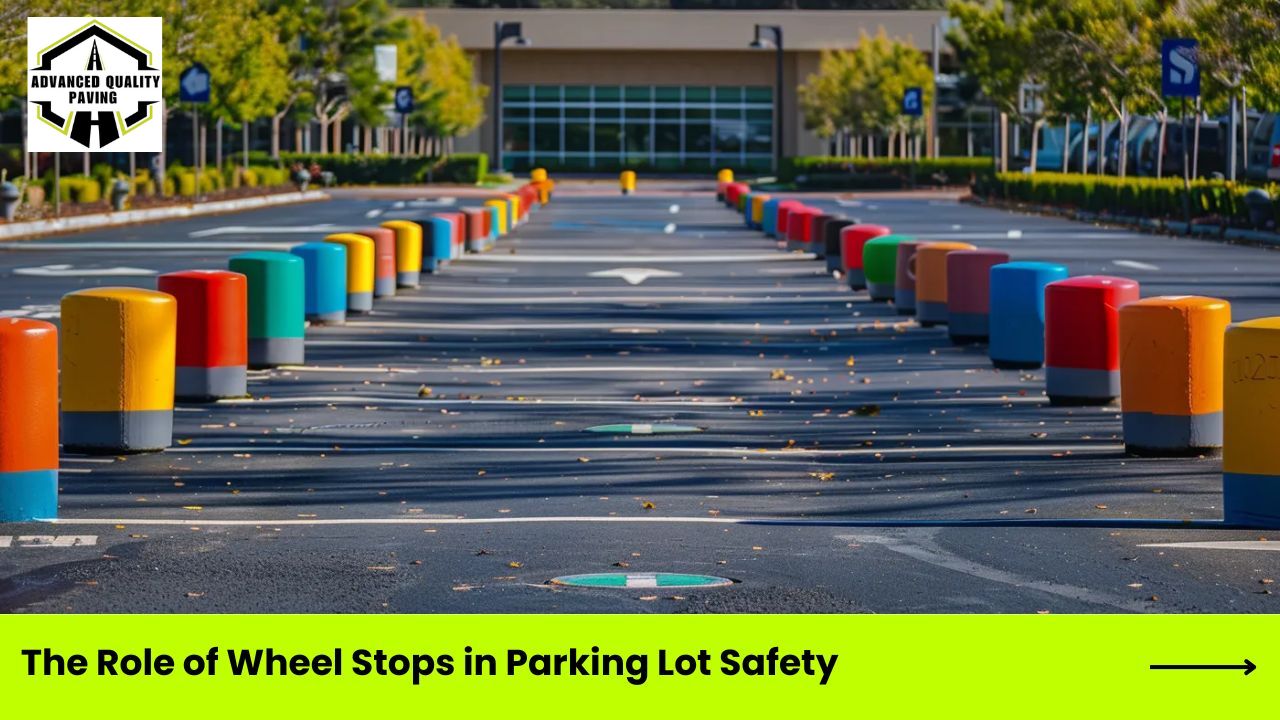
Wheel stops play a crucial role in parking lot safety, but many property owners overlook their importance. This article explores the core purpose of wheel stops, their safety benefits, and how they protect both vehicles and property. We’ll discuss choosing the right wheel stops, proper installation techniques, and regulatory compliance. By understanding these key aspects, readers will learn how to enhance parking lot safety and reqduce liability risks effectively.
Key Takeaways
- Wheel stops are essential for parking lot safety, preventing vehicle overhang and establishing clear parking limits
- Proper installation and maintenance of wheel stops are crucial for long-term parking lot safety
- Wheel stops protect building facades, landscaping, curbs, and utility installations from vehicle damage
- ADA compliance and local ordinances must be considered when placing wheel stops in parking lots
- Alternative vehicle management systems may be preferable in certain scenarios where wheel stops are impractical
Defining Wheel Stops and Their Core Purpose in Parking Areas

Wheel stops, essential components in parking lot safety, serve as physical guides for vehicles. These concrete or natural rubber barriers prevent car overhang onto walkways and establish clear parking space limits. Understanding their role is crucial for minimizing parking lot accidents and maintaining orderly vehicular flow. Proper installation and maintenance, including varnish application, ensure their longevity and effectiveness.
Understanding What Wheel Stops Are
Wheel stops, also known as parking wheel stops, are sturdy barriers typically made of concrete or polyethylene that serve as physical guides for vehicles in parking areas. These low-profile structures are designed to prevent cars from pulling too far forward, protecting pedestrian walkways and adjacent structures. While traditionally made of concrete, modern wheel stops often use durable polyethylene, which is lighter and easier to install. Some facilities may use forklift-friendly designs for easy relocation, enhancing parking lot flexibility and safety.
How Car Stops Physically Guide Vehicles
Wheel stops physically guide vehicles by providing a tactile barrier that drivers can feel when their tires make contact. This contact serves as a clear signal to stop, preventing vehicles from overextending into walkways or adjacent spaces. The strategic placement of these stops helps maintain proper spacing between vehicles, reducing the risk of collisions and improving overall parking lot health. Unlike bollards, which are vertical posts, wheel stops offer a low-profile solution that doesn’t impact a driver’s line of sight, potentially improving the bounce rate of parking lot usage.
Preventing Vehicle Overhang Onto Walkways
Wheel stops play a crucial role in preventing vehicle overhang onto walkways, ensuring pedestrian safety in parking areas. By providing a physical barrier, these rubber structures effectively limit the forward movement of vehicles, reducing the risk of accidents and potential injury to community members. The strategic placement of wheel stops also contributes to trademark protection for businesses, as it helps maintain a safe and organized parking environment, alleviating the pain of liability concerns for property owners.
Establishing Clear Parking Space Limits With Wheel Stops
Wheel stops effectively establish clear parking space limits, ensuring efficient use of parking areas. These car parking stops, often reinforced with rebar for durability, provide visual and physical cues for drivers to position their vehicles correctly. Property managers can easily install these stops using screws or adhesive, creating well-defined boundaries that comply with GDPR cookie consent regulations for data collection in smart parking systems. By utilizing wheel stops, parking lot operators can maximize space utilization while maintaining safety standards:
| Benefit | Description |
|---|---|
| Space Optimization | Clearly defined parking spots maximize lot capacity |
| Vehicle Protection | Prevents bumper damage from adjacent vehicles |
| Pedestrian Safety | Limits vehicle overhang onto walkways |
| Traffic Flow | Guides proper vehicle alignment for smooth entry/exit |
How Wheel Stops Directly Improve Parking Safety Measures

Wheel stops significantly enhance parking lot safety by addressing key areas of concern. These essential devices reduce risks for pedestrians near parking spaces, prevent low-speed collisions between parked cars, assist drivers in proper vehicle positioning, and contribute to organized traffic movement within lots. By incorporating wheel stops, property managers can effectively protect their trademark brand and enhance overall parking space safety for both vehicles and pedestrians.
Reducing Risks for Pedestrians Near Parking Spaces
Wheel stops play a crucial role in reducing risks for pedestrians near parking spaces. Both rubber parking stops and concrete parking stops create a physical barrier that prevents vehicles from encroaching on walkways, offering essential protection for pedestrians. This safety feature aligns with modern home automation systems, which prioritize security and convenience. By installing wheel stops, property managers can effectively safeguard pedestrians while also protecting their credit card investments in parking infrastructure.
Preventing Low-Speed Collisions Between Parked Cars
Wheel stops effectively prevent low-speed collisions between parked cars in various parking scenarios, including truck parking areas. These parking blocks create clear boundaries, reducing the risk of vehicles bumping into each other during parking maneuvers. Police departments often recommend their use to enhance parking lot safety and reduce minor accidents. Additionally, wheel stops offer a form of patent protection for parking lot designs, ensuring copyright protection for innovative safety features. The strategic placement of wheel stops in parking areas helps maintain order and minimizes potential conflicts between vehicles:
- Defines clear parking boundaries
- Reduces risk of vehicle-to-vehicle contact
- Enhances overall parking lot safety
- Protects against minor bumper damage
- Improves parking efficiency and organization
Assisting Drivers in Proper Vehicle Positioning
Wheel stops assist drivers in proper vehicle positioning, enhancing parking safety by providing a tactile guide for tire placement. The optimal height of these stops allows drivers to feel when their vehicle has reached the appropriate distance from the parking space boundary. This physical cue helps prevent overhanging onto walkways or adjacent spaces, while the use of durable adhesives ensures the wheel stops remain securely in place. Some facilities apply a protective varnish to extend the lifespan of concrete wheel stops, further improving their effectiveness in maintaining orderly parking arrangements.
Contributing to Organized Traffic Movement Within Lots
Wheel stops contribute significantly to organized traffic movement within parking lots, enhancing overall safety and efficiency. These barriers serve as visual and physical guides, directing drivers to park in designated spaces and maintain proper lane alignment. By incorporating wheel stops into the parking lot design, property managers can implement an effective risk management strategy that reduces the potential for accidents and improves traffic flow. This approach aligns with modern smart home and security system concepts, where personal information and safety are prioritized. Wheel stops help create a structured environment that minimizes confusion and potential conflicts between vehicles, ultimately leading to a smoother parking experience for all users:
| Benefit | Impact on Traffic Movement |
|---|---|
| Clear Lane Delineation | Prevents vehicles from encroaching on driving lanes |
| Improved Space Utilization | Ensures efficient use of available parking areas |
| Reduced Congestion | Facilitates smoother entry and exit from parking spaces |
| Enhanced Safety | Minimizes the risk of collisions during parking maneuvers |
Wheel Stops Offering Significant Property Protection Benefits

Wheel stops provide crucial property protection benefits in parking areas. These concrete car stops effectively shield building facades, guard landscaped areas, preserve curb integrity, and secure utility installations from vehicle impacts. By alerting drivers and creating physical barriers, wheel stops protect valuable investments and reduce maintenance costs. Their strategic placement helps prevent damage caused by cars, trucks, and trailers, ensuring a safer parking environment.
Shielding Building Facades and Walls From Vehicle Contact
Wheel stops play a crucial role in shielding building facades and walls from vehicle contact in parking lots. These parking lot bumper stops act as a physical barrier, preventing vehicles from accidentally colliding with structures and causing costly damage. In Missouri and other states, property owners utilize wheel stops to protect their investments and reduce the risk of injury to pedestrians and drivers. The implementation of these safety measures aligns with modern automation trends in parking management, enhancing overall vehicle control and lot safety:
- Prevents direct contact between vehicles and building exteriors
- Reduces maintenance costs associated with facade repairs
- Enhances safety for both drivers and pedestrians
- Complements automated parking systems for improved lot management
- Protects property value by maintaining structural integrity
Guarding Landscaped Areas and Planters From Damage
Wheel stop parking solutions effectively guard landscaped areas and planters from vehicle damage in parking lots. Rubber curb stops provide a physical barrier that prevents cars from encroaching on green spaces, protecting delicate plants and maintaining the aesthetic appeal of the property. This protection extends beyond mere cosmetic concerns, as it also safeguards against potential fire hazards caused by hot exhaust systems coming into contact with dry vegetation. Property managers can enhance their business name patent and reputation by implementing these safety measures, which complement other security features like home security systems in creating a comprehensive protection plan for the premises.
Preserving Curb Integrity and Sidewalk Edges
Wheel stops play a crucial role in preserving curb integrity and sidewalk edges in parking lots. These concrete barriers prevent vehicles from damaging curbs and sidewalks, reducing the risk of costly repairs and potential lawsuits. By incorporating wheel stops alongside clear parking signs, property owners enhance safety and protect their investments. This proactive approach to lot management also supports effective advertising of the property’s commitment to maintenance and safety standards.
Securing Utility Boxes, Poles, and Signage From Impacts
Wheel stops serve as essential safeguards for utility boxes, poles, and signage in parking areas. These sturdy barriers prevent vehicles from colliding with vital infrastructure, ensuring the continuous operation of essential services and maintaining clear communication through signage. By strategically placing wheel stops near utility installations, property managers can reduce the risk of damage from shopping carts and vehicles, while also complying with local regulations for parking lot safety. This proactive approach not only protects valuable assets but also enhances the overall safety and functionality of the parking area, potentially leading to improved credit ratings for the property.
Choosing Suitable Wheel Stops for Your Parking Facility

Selecting appropriate wheel stops is crucial for parking lot safety and efficiency. This section examines material options like rubber, concrete, and plastic, considering size, visibility, and durability for various climates. It also addresses matching specifications to expected traffic, including considerations for distracted driving prevention. Proper wheel stop selection can enhance analytics for lot management, reduce crime, and potentially impact tax considerations for property owners.
Material Choices for Wheel Stops Rubber Concrete and Plastic
When selecting wheel stops for parking facilities, property managers must consider the advantages of rubber, concrete, and plastic materials. Rubber parking lot bumpers offer excellent durability and flexibility, making them ideal for areas with heavy bus traffic. Concrete wheel stops provide superior longevity and stability, enabling a clear view of parking boundaries while deterring potential theft. Plastic options balance cost-effectiveness with ease of installation, allowing facility managers to quickly adapt their parking layout to changing needs.
Selecting the Right Size and Visibility Features
Selecting the right size and visibility features for wheel stops is crucial for parking lot safety. In Michigan, where accidents related to texting while driving are a concern, highly visible wheel stops can help prevent collisions. Property managers should consider wheel stops with reflective materials or bright colors to enhance visibility, especially in low-light conditions. The size of the wheel stop should be appropriate for the types of vehicles using the parking facility, with larger stops for commercial areas and smaller ones for residential lots. This approach not only improves safety but also protects the copyright brand name of the facility by demonstrating a commitment to accident prevention:
| Vehicle Type | Recommended Wheel Stop Size | Visibility Feature |
|---|---|---|
| Passenger Cars | 4-6 feet length | Yellow reflective strips |
| SUVs and Light Trucks | 6-8 feet length | White reflective paint |
| Commercial Vehicles | 8-10 feet length | LED illumination |
Matching Parking Stop Specifications to Expected Vehicle Traffic
Matching parking stop specifications to expected vehicle traffic is crucial for maintaining safety and efficiency in parking facilities. Property managers should consider using recycled parking stops, which offer durability and environmental benefits, while also factoring in the prevalence of vehicles equipped with backup cameras. The height and width of parking stops should accommodate the most common vehicle types, ensuring they are visible to drivers without interfering with low-clearance vehicles or causing damage to undercarriages. Additionally, proper placement of parking stops can serve as an insurance policy against potential accidents, reducing liability risks for property owners and potentially lowering insurance premiums.
Evaluating Durability Needs Based on Climate Conditions
Evaluating durability needs based on climate conditions is crucial when selecting wheel stops for parking facilities. Property managers must compare different car stopper options, considering factors such as extreme temperatures, precipitation, and UV exposure. In regions with harsh winters, parking lot concrete stops may be preferable due to their resistance to freeze-thaw cycles. However, in areas with high rainfall, rubber or plastic alternatives might offer better longevity. When assessing durability, it’s essential to consider the traffic volume and type of vehicles using the parking lot:
| Climate Condition | Recommended Wheel Stop Material | Key Durability Feature |
|---|---|---|
| Extreme Cold | Concrete | Resistance to cracking |
| High Rainfall | Recycled Rubber | Water-resistant properties |
| Intense UV Exposure | UV-Stabilized Plastic | Color retention |
| Moderate Climate | Design Patent Composite | All-weather performance |
Correct Installation and Maintenance for Lasting Parking Safety

Proper installation and maintenance of wheel stops are crucial for enduring parking lot safety. This section explores secure anchoring techniques for various pavements, optimal spacing standards, and regular inspection routines. It also addresses maintaining visibility and cleanliness of rubber parking curbs to ensure pedestrian safety and adherence to speed limits. These practices contribute to a safer parking environment and can be shared through newsletters to raise awareness among property managers and users.
Secure Anchoring Techniques for Different Pavement Types
Secure anchoring techniques for wheel stops vary depending on the pavement type, ensuring optimal safety and reducing traffic congestion in parking lots. For asphalt surfaces, installers typically use long steel spikes or lag bolts, while concrete pavements require expansion anchors or epoxy adhesives. In areas with handicap parking signs, extra care must be taken to ensure proper placement and anchoring of wheel stops to maintain accessibility. These techniques not only secure the bumper effectively but also protect the intellectual property (IP) of the parking lot design, enhancing overall safety and efficiency.
Optimal Spacing and Placement Standards for Wheel Stops
Optimal spacing and placement standards for wheel stops are crucial in construction and real estate projects, particularly in Ohio where specific programs regulate parking lot safety. These standards ensure proper vehicle positioning, protect pedestrians, and accommodate motorcycles. Typically, wheel stops should be placed 2-3 feet from the curb or end of the parking space, allowing for vehicle overhang. The spacing between stops in adjacent spaces should be consistent, usually 6-7 feet apart, to maintain uniformity and safety:
| Vehicle Type | Distance from Curb | Space Between Stops |
|---|---|---|
| Standard Cars | 2-3 feet | 6-7 feet |
| SUVs/Trucks | 3-4 feet | 7-8 feet |
| Motorcycles | 1-2 feet | 4-5 feet |
Regular Inspection Routines for Wear and Tear
Regular inspection routines for wheel stops are crucial to maintain parking lot safety and longevity. Property managers should conduct monthly checks for signs of wear, including metal corrosion on anchoring hardware and cracks in precast concrete stops. These inspections help identify potential hazards and ensure the continued effectiveness of wheel stops in preventing accidents. By implementing a systematic approach to maintenance, facility owners can protect their investment and minimize liability risks:
| Inspection Item | Frequency | Action Required |
|---|---|---|
| Anchor Integrity | Monthly | Tighten or replace loose hardware |
| Surface Cracks | Quarterly | Seal or replace damaged stops |
| Visibility Markings | Bi-annually | Repaint or apply reflective tape |
| Alignment Check | Annually | Reposition misaligned stops |
Maintaining Wheel Stop Visibility and Cleanliness
Maintaining wheel stop visibility and cleanliness is crucial for parking lot safety across all zip codes. Regular cleaning of concrete wheel stops and tire stops for garage use helps prevent accidents by ensuring drivers can easily spot these barriers. Property managers should implement a maintenance policy that includes periodic pressure washing and repainting of wheel stops to enhance visibility, especially in areas prone to frequent tire marks or debris accumulation. This proactive approach not only improves safety but also extends the lifespan of the wheel stops:
| Maintenance Task | Frequency | Purpose |
|---|---|---|
| Pressure Washing | Quarterly | Remove dirt and grime |
| Repainting | Annually | Enhance visibility |
| Debris Removal | Weekly | Prevent obstruction |
| Reflective Tape Check | Bi-annually | Ensure night visibility |
Regulations Compliance and Alternatives to Wheel Stops

Effective wheel stop management in parking lots requires compliance with regulations and consideration of alternatives. This section examines ADA requirements for wheel stop placement, local ordinances governing parking fixtures, and scenarios where wheel stops may not be ideal. It also explores other vehicle management options for property protection, addressing factors such as color, speed control, and legal considerations to ensure comprehensive parking lot safety.
Navigating ADA Requirements Affecting Wheel Stop Placement
Navigating ADA requirements for wheel stop placement is crucial for ensuring accessibility and security in parking lots. Property managers must consider the cost and information regarding proper installation of rubber car stops to comply with regulations. The ADA mandates specific clearances and dimensions for accessible parking spaces, affecting the placement and design of wheel stops:
- Maintain a 60-inch-wide access aisle adjacent to accessible parking spaces
- Ensure wheel stops do not obstruct the accessible route from parking to building entrances
- Use contrasting colors for wheel stops to improve visibility for individuals with visual impairments
- Consider alternatives to wheel stops in accessible spaces to prevent tripping hazards
Adhering to Local Ordinances on Parking Lot Fixtures
Adhering to local ordinances on parking lot fixtures is crucial for property managers to ensure compliance and accessibility. These regulations often dictate specific requirements for wheel stops, including their placement, size, and visibility features. Property owners must consider factors such as payment methods for parking fees, text messaging alerts for violations, and copyright protection for unique lot designs when implementing wheel stops. Additionally, the “add to cart” mentality of online shopping has influenced parking lot design, requiring careful consideration of traffic flow and accessibility standards in fixture placement.
| Ordinance Aspect | Compliance Requirement | Impact on Wheel Stops |
|---|---|---|
| Accessibility | ADA standards | Specific placement and spacing |
| Safety | Visibility regulations | Reflective materials or bright colors |
| Traffic Flow | Lot design guidelines | Strategic positioning for optimal movement |
| Material Standards | Durability requirements | Use of approved materials (concrete, rubber, etc.) |
Identifying Scenarios Where Wheel Stops May Not Be Ideal
While wheel stops are generally beneficial for parking lot safety, certain scenarios may render them less ideal. In areas with heavy snowfall, recycled rubber wheel stops can impede snow removal efforts and disrupt traffic flow. Similarly, in loading zones or areas frequented by large trucks, traditional wheel stops may interfere with maneuvering, necessitating specialized truck wheel stops or alternative solutions. Property managers must also consider the potential tripping hazard wheel stops pose to pedestrians, especially near curbs or in dimly lit areas. Balancing these factors with insurance requirements and overall safety considerations is crucial when deciding on parking lot fixtures.
Considering Other Vehicle Management Options for Property Protection
Property managers seeking alternatives to concrete wheel stops for vehicle management should consider automated parking systems, which can enhance customer service and reduce risks in garages. These systems utilize sensors and barriers to guide vehicles, minimizing the need for physical stops while improving space efficiency. However, property owners should consult with a lawyer to address potential liability concerns and ensure compliance with local regulations when implementing such technologies.
Frequently Asked Questions
What are wheel stops and why are they used in parking areas?
Wheel stops, also known as parking blocks or curb stops, are barriers installed in parking spaces to prevent vehicles from pulling too far forward. They help protect buildings, pedestrians, and landscaping while ensuring proper parking alignment and maximizing space utilization in parking areas.
How do wheel stops enhance safety in parking lots?
Wheel stops enhance parking lot safety by preventing vehicles from pulling too far forward, protecting pedestrians, buildings, and other cars. They create clear boundaries for parking spaces, reducing accidents and helping drivers park properly. These barriers also guide traffic flow and provide a physical reminder to stop, improving overall lot organization and safety.
What property protection benefits do wheel stops provide?
Wheel stops offer crucial property protection by preventing vehicles from rolling or driving too far forward in parking spaces. They safeguard buildings, landscaping, and pedestrian areas from accidental damage, while also clearly defining parking boundaries and enhancing overall parking lot safety and organization.
How do I choose the right wheel stops for my parking facility?
When selecting wheel stops for your parking facility, consider factors like material durability, visibility, and installation method. Choose between concrete, rubber, or plastic options based on your climate and budget. Ensure the stops meet local regulations and are appropriate for the types of vehicles using your facility.
Are there any alternatives to wheel stops for parking lot safety?
While wheel stops are common, alternatives for parking lot safety include painted lines, reflective markers, speed bumps, raised curbs, and strategically placed landscaping features. These options can effectively guide vehicles, prevent overhanging, and enhance overall safety without the potential tripping hazards associated with traditional wheel stops.
Conclusion
Wheel stops play a crucial role in enhancing parking lot safety by guiding vehicles, preventing overhang onto walkways, and protecting property from damage. These essential fixtures contribute to organized traffic flow, reduce risks for pedestrians, and assist drivers in proper vehicle positioning. Proper selection, installation, and maintenance of wheel stops are vital for ensuring their effectiveness and longevity in various climate conditions and traffic scenarios. By adhering to regulations and considering alternatives when necessary, property managers can create safer, more efficient parking environments that protect both vehicles and pedestrians while minimizing liability risks.
