
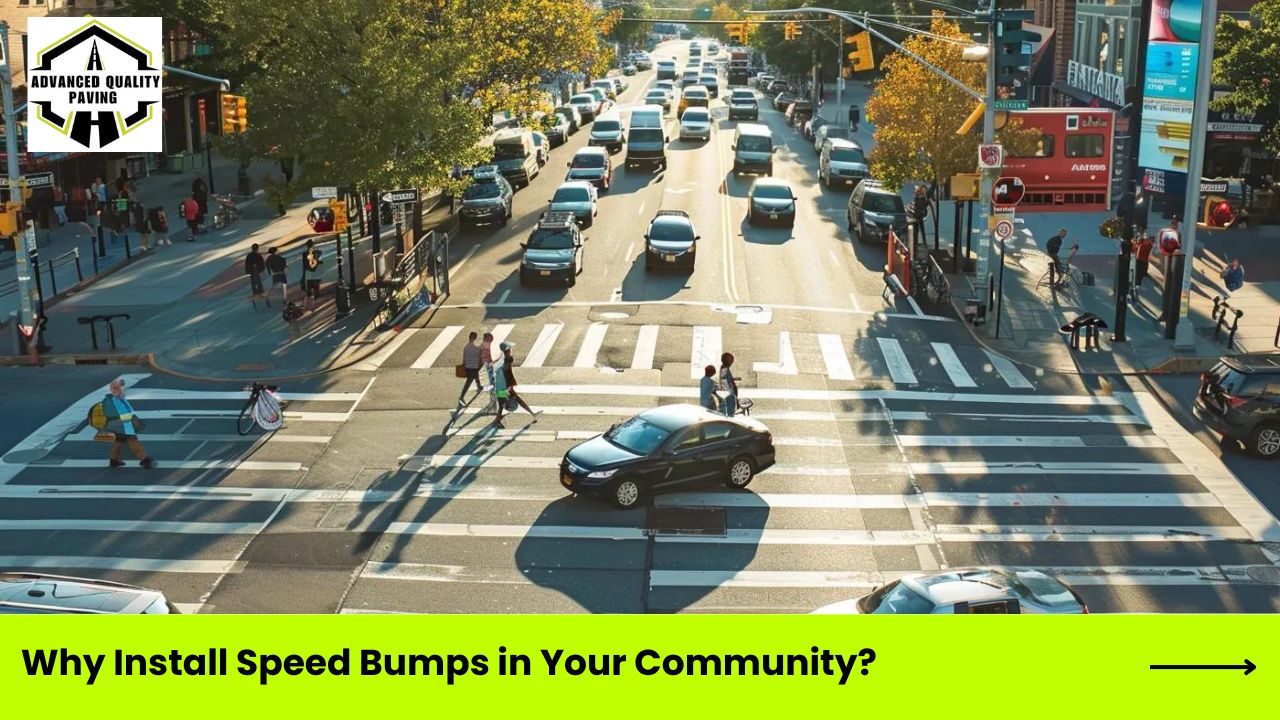
Speed bumps are a common sight in many communities, from residential neighborhoods to school zones and private properties. These traffic calming devices play a crucial role in enhancing safety, reducing accidents, and promoting a peaceful environment for residents. But why exactly should your community consider installing speed bumps? In this comprehensive guide, we’ll explore the benefits of speed bumps, their impact on safety, and how they align with broader occupational safety and health standards, such as those set by OSHA and the National Safety Council. Whether you’re a property manager, a member of an organization, or a concerned resident, this article will provide you with the knowledge and research-backed insights to make an informed decision.
What Are Speed Bumps and Why Do They Matter?

Speed bumps are raised pavement structures designed to slow down vehicles in areas where speeding poses a risk to pedestrians, property, or the environment. They are often installed in high-traffic areas like parking lots, residential streets, and near schools to mitigate the risk of a work accident or injury caused by reckless driving. By forcing drivers to reduce their speed, speed bumps help create a safer environment for everyone, aligning with the principles of occupational safety and health.
The importance of speed bumps cannot be overstated. According to research, speeding is a leading cause of accidents in residential areas, often resulting in injury or even fatalities. Installing speed bumps is a proactive step to address this risk, ensuring that your community remains a safe and secure place for residents, workers, and visitors alike.
Key Benefits of Installing Speed Bumps

Speed bumps offer a wide range of benefits that go beyond simply slowing down traffic. Let’s dive into some of the most compelling reasons to install them in your community.
1. Enhanced Safety for Pedestrians and Residents
The primary goal of speed bumps is to improve safety by reducing the risk of accidents. In residential areas, speeding vehicles can pose a real threat to pedestrians, especially children and the elderly. Speed bumps force drivers to slow down, giving pedestrians more time to react and cross streets safely. This is particularly important in areas with high foot traffic, such as near parks, schools, or community centers.
Safety signs often accompany speed bumps to alert drivers to the change in road conditions. These signs, combined with the physical barrier of the speed bump, create a multi-layered approach to safety that aligns with the National Safety Council’s recommendations for community safety.
2. Reduced Risk of Injury and Property Damage
Speeding vehicles are more likely to cause accidents that result in injury or property damage. For example, a car traveling at high speed may lose control and crash into a fence, a parked vehicle, or even a building. By installing speed bumps, you can significantly reduce this risk, protecting both people and property in your community. parking lot safety.
In mixed-use communities, where businesses and residences coexist, speed bumps also help protect workers who may be using personal protective equipment like hard hats or safety vests while performing outdoor tasks. Slowing down traffic ensures that these workers are less likely to be involved in a work accident, aligning with the principles of occupational safety and health administration.
3. Alignment with Safety Rules and Regulations
Installing speed bumps can help your community comply with local safety rules and regulations. For instance, many municipalities have guidelines for traffic calming measures in residential areas, often based on standards set by organizations like the National Safety Council. By implementing speed bumps, your community demonstrates a commitment to safety, which can also improve your standing with local authorities and insurance providers.
Additionally, speed bumps can be part of a broader safety inspection process. For example, a certified safety professional might recommend speed bumps as a way to address speeding concerns identified during an inspection. This proactive approach can help your community avoid penalties and ensure compliance with OSHA 30 and OSHA 10 training requirements.
4. Improved Community Well-Being and Health
Speed bumps contribute to the overall health and well-being of your community by reducing noise pollution and creating a more peaceful environment. High-speed traffic can generate significant noise, which can be stressful for residents and even impact their health over time. By slowing down vehicles, speed bumps help create a quieter, more pleasant living environment.
From an environmental health and safety perspective, speed bumps also reduce vehicle emissions, as slower speeds lead to more efficient fuel consumption. This is particularly important in communities striving to meet ISO 45001 standards for occupational health and safety management systems.
5. Support for Workplace Safety in Mixed-Use Communities
In communities with businesses or offices, speed bumps play a critical role in workplace safety. For example, a delivery driver or maintenance worker using a ladder or operating heavy equipment in a parking lot is at risk if vehicles are speeding through the area. Speed bumps help mitigate this risk, ensuring that workers can perform their duties without fear of a work accident.
This is especially relevant for organizations with an occupational safety and health admin team. These teams are responsible for identifying and addressing workplace hazards, and speed bumps can be a key part of their strategy to protect employees and visitors alike.
How Speed Bumps Align with Occupational Safety Standards

Speed bumps may seem like a simple traffic calming measure, but they have a broader impact on safety that aligns with occupational safety standards. Let’s explore how they fit into frameworks like OSHA, ISO 45001, and the National Safety Council’s guidelines.
OSHA 30 and OSHA 10 Compliance
OSHA 30 and OSHA 10 are training programs designed to educate workers and employers about workplace safety. While these programs are typically associated with construction or industrial settings, their principles can also apply to community safety. For example, OSHA emphasizes the importance of controlling hazards, such as speeding vehicles, to prevent injury.
By installing speed bumps, your community takes a proactive step toward hazard control, which is a core component of OSHA training. This can be particularly important in communities with shared spaces, where workers and residents interact closely.
ISO 45001 and Environmental Health and Safety
ISO 45001 is an international standard for occupational health and safety management systems. It focuses on creating a safe and healthy working environment by identifying and controlling risks. In the context of a community, speed bumps contribute to this goal by reducing the risk of vehicular accidents, which can impact both residents and workers.
Additionally, ISO 45001 emphasizes environmental health and safety, which speed bumps support by reducing noise and air pollution. This makes them a valuable tool for communities aiming to meet this standard.
National Safety Council Recommendations
The National Safety Council advocates for traffic calming measures like speed bumps as part of a broader strategy to improve community safety. Their research highlights the effectiveness of speed bumps in reducing accidents and injuries, particularly in areas with high pedestrian activity. By following these recommendations, your community can enhance its safety profile and demonstrate a commitment to best practices.
Practical Considerations for Installing Speed Bumps

While the benefits of speed bumps are clear, there are several practical considerations to keep in mind during the installation process. Here’s how to ensure a successful implementation.
1. Conduct a Safety Inspection
Before installing speed bumps, conduct a thorough safety inspection to identify areas where speeding is a problem. This can be done by a certified safety professional or a knowledge officer within your community. Look for areas with high pedestrian traffic, such as near parks, schools, or community centers, and assess the risk of accidents.
2. Choose the Right Type of Speed Bump
Not all speed bumps are created equal. Depending on your community’s needs, you may opt for traditional speed bumps, speed humps, or other traffic calming devices. Consider factors like the average speed of traffic, the type of vehicles using the road (e.g., cars, transport trucks), and the desired level of speed reduction.
3. Use Safety Signs and Markings
To maximize the effectiveness of speed bumps, pair them with safety signs and road markings. These visual cues alert drivers to the presence of speed bumps, reducing the likelihood of sudden braking or accidents. Signs should be clear and visible, even at night, to ensure maximum safety.
4. Involve the Community in Decision-Making
Installing speed bumps can sometimes be a
, as some residents may worry about the impact on their daily commute. To address this, involve the community in the decision-making process. Hold meetings or send out surveys to gather input, and work with a chief executive officer or organization leader to ensure transparency.
5. Ensure Proper Maintenance
Speed bumps require regular maintenance to remain effective. Over time, they can wear down or become damaged, reducing their ability to slow traffic. Assign a team—such as the occupational safety and health admin—to oversee maintenance and ensure that speed bumps remain in good condition.
Addressing Common Concerns About Speed Bumps

DWhile speed bumps offer many benefits, they can also raise concerns among residents. Here’s how to address some of the most common objections.
1. Impact on Emergency Vehicles
One common concern is that speed bumps may slow down emergency vehicles, such as ambulances or fire trucks. To mitigate this, consider installing speed humps instead of traditional speed bumps, as they are designed to allow larger vehicles to pass more easily. Additionally, work with local emergency services to ensure that speed bumps are placed strategically and do not impede their response times.
2. Noise and Vibration
Some residents may worry that speed bumps will increase noise and vibration as vehicles pass over them. While this can be a valid concern, it can be minimized by choosing the right type of speed bump and ensuring proper installation. For example, speed humps with a gradual incline produce less noise than traditional speed bumps.
3. Cost of Installation
The cost of installing speed bumps can vary depending on the size of your community and the number of speed bumps needed. However, the investment is often worth it when you consider the potential savings from reduced accidents, injuries, and property damage. To manage costs, work with a certified safety professional to prioritize high-risk areas and install speed bumps strategically.
Real-Life Examples of Speed Bumps in Action

To illustrate the impact of speed bumps, let’s look at a few real-life examples of communities that have successfully implemented them.
Example 1: A Residential Neighborhood
In a suburban neighborhood with a high number of children, speeding was a constant concern for parents. After conducting a safety inspection, the community decided to install speed bumps near the local park and school. The result? A significant reduction in speeding incidents, with fewer close calls reported by residents. The speed bumps, combined with safety signs, created a safer environment for children to play and walk to school.
Example 2: A Mixed-Use Community
In a mixed-use community with both residences and small businesses, workers frequently used ladders and other equipment in shared parking lots. Speeding vehicles posed a risk to these workers, leading to several near-misses. By installing speed bumps and providing safety vests to workers, the community reduced the risk of a work accident, aligning with OSHA 30 standards.
Additional Safety Measures to Complement Speed Bumps
While speed bumps are effective on their own, they can be even more impactful when paired with other safety measures. Here are a few ideas to consider.
1. Provide Personal Protective Equipment
In communities with workers or maintenance staff, ensure that they have access to personal protective equipment like hard hats, safety vests, and ear muffs. This is particularly important in areas where speed bumps are installed, as workers may need to perform tasks near traffic.
2. Offer Safety Training
Consider offering safety training to residents and workers, such as OSHA 30–
or OSHA 10-level courses. This training can help them understand the importance of traffic calming measures and how to stay safe in shared spaces.
3. Use Technology for Safety Monitoring
Leverage technology to enhance safety in your community. For example, use a smartphone app to report speeding incidents or a podcast to share safety tips with residents. You can also install security cameras to monitor high-risk areas and ensure that speed bumps are having the desired effect.
FAQs About Installing Speed Bumps in Your Community
1. How do s²peed bumps improve occupational safety and health in a community? Speed bumps enhance occupational safety and health by reducing the risk of a work accident in mixed-use communities. They slow down vehicles, protecting workers who may be using personal protective equipment like hard hats or safety vests while performing tasks in shared spaces, aligning with standards like OSHA 30 and OSHA 10.
2. What role do safety signs play alongside speed bumps? Safety signs are crucial when paired with speed bumps as they alert drivers to the change in road conditions, reducing the risk of sudden braking or accidents. They ensure visibility, especially at night, and support the National Safety Council’s recommendations for effective traffic calming.
3. Can speed bumps help with environmental health and safety? Yes, speed bumps contribute to environmental health and safety by reducing vehicle emissions and noise pollution. Slower speeds lead to more efficient fuel consumption, supporting standards like ISO 45001 and creating a healthier living environment for residents.
4. How can a community ensure compliance with safety rules when installing speed bumps? A community can ensure compliance by conducting a safety inspection with a certified safety professional, following local regulations, and aligning with National Safety Council guidelines. Speed bumps can also be part of broader safety strategies to meet OSHA 30 and OSHA 10 requirements.
5. What should a property manager consider before installing speed bumps? A property manager should conduct a safety inspection to identify high-risk areas, involve the community in decision-making, and choose the right type of speed bump. They should also plan for regular maintenance and pair speed bumps with safety measures like personal protective equipment for workers.
Conclusion: A Safer Future with Speed Bumps
Installing speed bumps in your community is a powerful way to enhance safety, reduce the risk of injury, and promote a healthier living environment. By slowing down traffic, speed bumps protect pedestrians, workers, and property, aligning with occupational safety and health standards like OSHA 30, OSHA 10, and ISO 45001. They also contribute to environmental health and safety by reducing noise and air pollution, creating a more pleasant community for everyone.
Whether you’re a property manager, a member of an organization, or a concerned resident, speed bumps offer a practical and effective solution to the problem of speeding. By conducting a safety inspection, involving the community, and pairing speed bumps with other safety measures, you can create a safer, more secure environment for all.
Ready to take the next step? Work with a certified safety professional or your occupational safety and health admin team to start planning your speed bump installation today. Your community’s safety is worth the investment.
