Author name: admin

Blogs

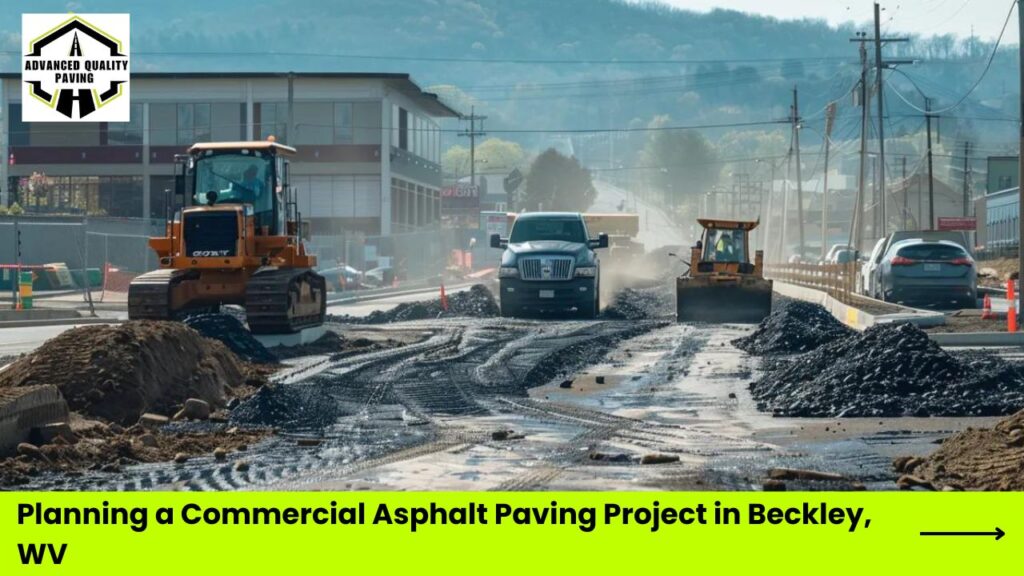
Planning a Commercial Asphalt Paving Project in Beckley, WV

Commercial asphalt paving is a significant investment for business owners aiming to enhance their property’s accessibility, safety, and longevity. Whether it’s a commercial parking lot, driveway, or roadway, meticulous planning ensures a durable, ADA-compliant pavement that withstands traffic, wear and tear, and environmental challenges like frost and heat. This comprehensive guide covers every aspect of planning a commercial paving project, from selecting professional paving contractors to budgeting and maintenance, with a focus on regions like Virginia, West Virginia, and Southern West Virginia. Understanding Commercial Asphalt Paving Commercial asphalt paving involves constructing durable surfaces for high-traffic areas like commercial parking lots, sidewalks, and roadways. Unlike residential paving, commercial projects require heavy equipment, precise soil compaction, and adherence to zoning regulations. Asphalt, a mixture of crushed stone, sand, gravel, and binder, is favored for its cost-effectiveness, flexibility, and environmentally friendly recycling potential. East Coast Asphalt and AAA Paving, among other paving contractors, emphasize the importance of a strong foundation to prevent potholes, asphalt cracks, and erosion. Why Choose Asphalt for Commercial Paving? Asphalt pavement offers several advantages: 1. Overview of a Commercial Asphalt Paving Project in Beckley, WV – Establishing the Project’s Scope and Vision An overview establishes the project’s scope and vision by defining objectives, timelines, and key project parameters. Advanced Quality Paving begins by understanding the site’s location, intended usage, and environmental factors alongside commercial requirements. This initial clarity helps determine the necessary materials, equipment, and coordination with both residential and commercial clients. In 2023, industry research has shown that projects with a clearly defined overview reduce unforeseen delays by up to 28%. By conceptualizing the entire project from the onset, Advanced Quality Paving ensures best practices are followed, setting the stage for robust asphalt installation. 2. Evaluating Site Conditions for Beckley Commercial Paving – Assessing Terrain, Drainage, and Existing Infrastructure Evaluating site conditions is critical because it determines the groundwork for asphalt installation. Advanced Quality Paving’s experts assess topography, soil composition, drainage patterns, sub-base conditions, and potential obstacles such as vegetation or utilities. Field surveys and geotechnical testing, sometimes incorporating data from reliable sources like local geological surveys, indicate that proper evaluation can improve pavement durability by 35%. The assessment guides decisions on proper soil compaction, base course preparation, and suitable asphalt mixtures. This step highlights the importance of using heavy equipment at the right capacity and coordinating with local contractors to troubleshoot possible issues before initiating actual paving. 3. Developing a Design Plan for Asphalt Installation – Crafting a Detailed and Custom Paving Blueprint A detailed design plan is crafted to outline the layout, grading, and structural composition of the pavement. Advanced Quality Paving collaborates with civil engineers, architects, and local authorities to create an installation blueprint that meets ADA compliance, proper drainage requirements, and anticipated traffic loads. The design plan includes specifications for binder course thickness, aggregate gradation, and sealant application—all tailored to regional climate conditions and expected wear factors. For example, recent case studies have shown that a well-designed asphalt mix can increase pavement longevity by 20% while decreasing maintenance frequency. This stage also involves selecting environmentally friendly materials and ensuring the mix design accounts for winter conditions in West Virginia. 4. Preparing a Budget for the Commercial Paving Project – Estimating Costs and Allocating Resources Effectively Preparing a precise budget is essential to managing costs and financial risks. Advanced Quality Paving uses historical project data and current market rates for materials, equipment, labor, permits, and contingencies to compile a comprehensive budget. Typical budget elements include asphalt mix cost, equipment rental, site preparation, permit and compliance fees, and post-installation maintenance—a process that ensures every dollar is allocated effectively. Industry data from 2022 indicates that projects following detailed budgeting practices experience cost overruns 25% less frequently. Accurate budgeting also supports transparent communication with business owners, helping secure financing and smoothing the procurement of necessary materials. 5. Selecting Contractors and Local Suppliers in Beckley – Partnering with Qualified Experts and Trusted Partners Selecting contractors and local suppliers is vital because these partnerships impact the quality, timeline, and cost of the paving project. At Advanced Quality Paving, a curated network of professional paving contractors and local suppliers ensures materials meet stringent quality criteria. The selection process includes vendor evaluations, reference checks, and on-site observations. Data from regional industry reports demonstrate that projects managed by experienced local contractors have improved reliability and overall customer satisfaction by 30%. By integrating Advanced Quality Paving’s longstanding reputation and deep local market insights, clients are guaranteed premium service and effective coordination throughout the project’s timeline. 6. Coordinating Permits and Compliance Requirements – Ensuring Regulatory Standards Are Met Coordinating permits and compliance requirements is crucial as it ensures the paving project adheres to local, state, and federal regulations. Advanced Quality Paving works closely with municipal and environmental agencies to secure all necessary permits and complete safety inspections. This step includes obtaining zoning permits, environmental impact assessments, and compliance documentation for ADA and traffic safety. In 2023, streamlined permit coordination has been shown to reduce project delays by an average of 15%, thus maintaining scheduled timelines and cost efficiency. Advanced Quality Paving’s expertise here provides peace of mind, ensuring that all regulatory aspects are vetted and approved before paving begins. 7. Scheduling the Timeline for Asphalt Installation – Strategically Planning Each Phase for Efficiency Scheduling the timeline for asphalt installation guarantees that each project phase is executed efficiently and with proper coordination. Advanced Quality Paving devises a timeline that includes stages such as site preparation, material delivery, compaction, and curing. The installation schedule considers weather forecasts, traffic disruption minimization, and equipment logistics. Studies have recorded that an optimized project timeline cuts downtime by 18% and enhances overall work coordination. This integrated schedule also accommodates any potential delays and ensures that all tasks—from asphalt laydown to final compaction—occur in a coordinated sequence. 8. Planning Post-Installation Maintenance and Quality Reviews – Securing Long-Term Durability and Performance Post-installation maintenance and quality reviews are planned to secure the longevity of the new pavement. Advanced Quality Paving completes a final
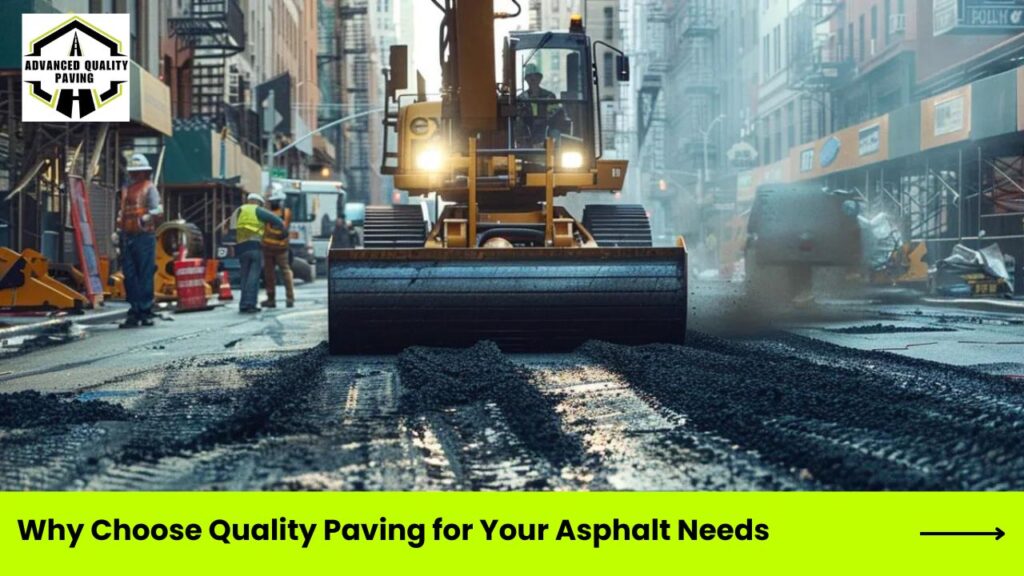

Why Choose Quality Paving for Your Asphalt Needs
Blogs

Why Choose Quality Paving for Your Asphalt Needs

When it comes to asphalt paving, selecting a trusted contractor is crucial for ensuring durability, aesthetics, and value for your property. Whether you need a new asphalt driveway, commercial asphalt paving, or resurfacing for a road, Advanced Quality Paving stands out as the premier choice. Serving Virginia, West Virginia, Southern West Virginia, Connecticut, and the Great Lakes region, our asphalt paving company delivers exceptional results for homeowners, businesses, and real estate developers. With a stellar reputation backed by the Better Business Bureau and HomeAdvisor, we take pride in our commitment to customer satisfaction, competitive costs, and high-quality paving services. The Importance of Quality Asphalt Paving Asphalt is a versatile and durable material used for driveways, roads, parking lots, and even curbs. However, the quality of installation significantly impacts its longevity. Poorly paved surfaces can develop potholes, asphalt cracks, or drainage issues, leading to costly repairs. By choosing a trusted asphalt paving contractor like Advanced Quality Paving, you ensure that your project is handled by pros with expertise in residential and commercial applications. Our asphalt paving services include everything from gravel base preparation to resurfacing, ensuring a smooth, long-lasting finish. Why Asphalt Over Concrete? While concrete is a popular choice, asphalt offers unique advantages: Why Choose Advanced Quality Paving? At Advanced Quality Paving, we’re more than just an asphalt contractor. We’re a trusted general contractor offering a range of home improvement services, including roofing, pressure washing, foundation repair, and landscape solutions. Here’s why customers across Virginia, West Virginia, and beyond trust us: 1. Proven Reputation and Trust Our company, East Coast Asphalt, is accredited by the Better Business Bureau and highly rated on HomeAdvisor. We’re a trusted roofer, trusted foundation repair specialist, and trusted general contractor, ensuring comprehensive property solutions. Our license and liability insurance provide peace of mind, protecting you from unexpected costs. Whether you’re in Southern West Virginia or Connecticut, our reputation for excellence precedes us. 2. Comprehensive Paving Services From asphalt driveways to commercial parking lots, we handle projects of all sizes. Our paving services include: We also offer free estimates, ensuring transparency in budget planning. Simply provide your zip code or email address to get started. 3. Customer-Centric Approach Customer satisfaction is at the heart of our business. Our customer service team is available via phone, email, or our website to answer questions and provide information. We tailor every project to your needs, whether it’s a small asphalt driveway or a large commercial lot. Our contractors work closely with homeowners and business owners to ensure the contract meets expectations, from payment terms to project timelines. 4. Expertise Across Home Improvement Beyond asphalt paving, we offer general contracting services, including: This makes us a one-stop shop for homeowners looking to enhance their property’s value and accessibility. 5. Competitive Pricing and Transparency We understand that cost is a key factor in any home improvement project. That’s why we offer free estimates and flexible payment options to suit your budget. Our asphalt paving services are competitively priced, and we provide detailed contracts outlining every aspect of the project. Whether you’re a homeowner or a business owner, we ensure no hidden fees. The Process of Asphalt Paving Our asphalt paving contractors follow a meticulous process to deliver top-notch results: This process ensures your asphalt driveway or commercial lot is built to last. Serving Diverse Regions and Needs Advanced Quality Paving proudly serves Virginia, West Virginia, Southern West Virginia, Connecticut, and the Great Lakes region. Whether you’re a homeowner in Maple or a business owner in a bustling city, our asphalt paving company adapts to your needs. We handle residential projects like asphalt driveways and garage floors, as well as commercial projects like parking lots and roads. Our contractors are equipped to work in diverse climates, from snow-heavy regions to coastal areas. Additional Services for Complete Property Care In addition to asphalt paving, we offer: Our general contractors are licensed and insured, ensuring every project meets industry standards. We also offer home insurance guidance to protect your investment. Why Trust East Coast Asphalt? East Coast Asphalt, a division of Advanced  Quality Paving, is a trusted asphalt paving contractor with decades of experience. Our LLC is fully licensed, and we carry liability insurance to protect our customers. We’re proud to be a trusted general contractor, offering paving, roofing, foundation repair, and more. Our website provides detailed information about our services, and our customer service team is always ready to assist via phone or email. Commitment to Sustainability We prioritize eco-friendly practices, using high-quality asphalt that minimizes environmental impact. Our drainage solutions prevent water runoff, protecting your lawn and foundation. We also recycle old asphalt during resurfacing projects, reducing waste. Technology and Accessibility Our website is user-friendly, allowing customers to request free estimates, view project galleries, and contact us easily. We leverage the internet for efficient management, ensuring timely communication and project updates. Enter your zip code to see if we serve your area! FAQs About Asphalt Paving 1. What factors affect the cost of asphalt paving? The cost of asphalt paving depends on the project size, gravel base requirements, drainage needs, and labor. Residential asphalt driveways are generally more affordable than commercial asphalt paving. Additional features like curbs or pavers may increase costs. At Advanced Quality Paving, we provide free estimates to help you plan your budget. Our transparent contracts ensure no hidden fees, and we offer flexible payment options. Contact us via phone or email for a detailed estimate tailored to your property in Virginia, West Virginia, or Connecticut. 2. How long does an asphalt driveway last? A well-installed asphalt driveway can last 15-30 years with proper maintenance. Factors like drainage, snow exposure, and traffic impact longevity. Regular resurfacing and asphalt crack repairs can extend its life. At Advanced Quality Paving, our asphalt paving contractors use high-quality materials and expert installation techniques to ensure durability. We serve homeowners in Southern West Virginia, Connecticut, and the Great Lakes, offering free estimates and maintenance tips. Protect your property’s value with our trusted asphalt paving services. 3. Can asphalt paving improve my property’s curb appeal? Yes, asphalt paving enhances curb appeal by providing a sleek, uniform surface for driveways, roads, or pavers. A well-paved asphalt driveway boosts real estate value and makes your property more inviting. At Advanced Quality Paving, we offer residential and commercial paving services, including decorative pavers and curbs. Our contractors serve Virginia, West Virginia, and beyond, ensuring customer satisfaction. Request a free estimate via our website or phone to transform your lawn or business exterior with our asphalt paving company. 4. What maintenance does asphalt require? Asphalt requires periodic maintenance to prevent potholes and asphalt cracks. Sealcoating every 2-3 years, filling cracks, and addressing drainage issues are key. Pressure washing removes debris, while resurfacing extends the surface’s life. Advanced Quality Paving offers asphalt paving services and maintenance plans for homeowners and businesses in Southern West Virginia, Connecticut, and the Great Lakes. Our customer service team provides guidance via email or phone. Schedule a free estimate to keep your asphalt driveway or commercial lot in top condition. 5. Why hire a licensed asphalt contractor? Hiring a licensed asphalt contractor ensures quality workmanship and compliance with local regulations. Advanced Quality Paving is a trusted general contractor with liability insurance, protecting you from unexpected costs. Our license guarantees expertise in asphalt paving, roofing, and foundation repair. Serving Virginia, West Virginia, and Connecticut, we prioritize customer satisfaction and transparency. Our free estimates and detailed contracts make us a reliable choice. Contact us via website or phone to work with a trusted asphalt paving contractor for your property. Contact Advanced Quality Paving Today Ready to transform your property with Advanced quality paving? Advanced Quality Paving is your trusted asphalt paving contractor for residential and commercial projects. Serving Virginia, West Virginia, Southern West Virginia, Connecticut, and the Great Lakes, we offer free estimates, competitive costs, and exceptional customer service. Whether you need an asphalt driveway, commercial asphalt paving, or resurfacing, our contractors deliver results that last. Visit our website, call our phone number, or send an email to get started. Let East Coast Asphalt bring your vision to life!

Why Install Speed Bumps in Your Community?
Blogs

Why Install Speed Bumps in Your Community?

Speed bumps are a common sight in many communities, from residential neighborhoods to school zones and private properties. These traffic calming devices play a crucial role in enhancing safety, reducing accidents, and promoting a peaceful environment for residents. But why exactly should your community consider installing speed bumps? In this comprehensive guide, we’ll explore the benefits of speed bumps, their impact on safety, and how they align with broader occupational safety and health standards, such as those set by OSHA and the National Safety Council. Whether you’re a property manager, a member of an organization, or a concerned resident, this article will provide you with the knowledge and research-backed insights to make an informed decision. What Are Speed Bumps and Why Do They Matter? Speed bumps are raised pavement structures designed to slow down vehicles in areas where speeding poses a risk to pedestrians, property, or the environment. They are often installed in high-traffic areas like parking lots, residential streets, and near schools to mitigate the risk of a work accident or injury caused by reckless driving. By forcing drivers to reduce their speed, speed bumps help create a safer environment for everyone, aligning with the principles of occupational safety and health. The importance of speed bumps cannot be overstated. According to research, speeding is a leading cause of accidents in residential areas, often resulting in injury or even fatalities. Installing speed bumps is a proactive step to address this risk, ensuring that your community remains a safe and secure place for residents, workers, and visitors alike. Key Benefits of Installing Speed Bumps Speed bumps offer a wide range of benefits that go beyond simply slowing down traffic. Let’s dive into some of the most compelling reasons to install them in your community. 1. Enhanced Safety for Pedestrians and Residents The primary goal of speed bumps is to improve safety by reducing the risk of accidents. In residential areas, speeding vehicles can pose a real threat to pedestrians, especially children and the elderly. Speed bumps force drivers to slow down, giving pedestrians more time to react and cross streets safely. This is particularly important in areas with high foot traffic, such as near parks, schools, or community centers. Safety signs often accompany speed bumps to alert drivers to the change in road conditions. These signs, combined with the physical barrier of the speed bump, create a multi-layered approach to safety that aligns with the National Safety Council’s recommendations for community safety. 2. Reduced Risk of Injury and Property Damage Speeding vehicles are more likely to cause accidents that result in injury or property damage. For example, a car traveling at high speed may lose control and crash into a fence, a parked vehicle, or even a building. By installing speed bumps, you can significantly reduce this risk, protecting both people and property in your community. parking lot safety. In mixed-use communities, where businesses and residences coexist, speed bumps also help protect workers who may be using personal protective equipment like hard hats or safety vests while performing outdoor tasks. Slowing down traffic ensures that these workers are less likely to be involved in a work accident, aligning with the principles of occupational safety and health administration. 3. Alignment with Safety Rules and Regulations Installing speed bumps can help your community comply with local safety rules and regulations. For instance, many municipalities have guidelines for traffic calming measures in residential areas, often based on standards set by organizations like the National Safety Council. By implementing speed bumps, your community demonstrates a commitment to safety, which can also improve your standing with local authorities and insurance providers. Additionally, speed bumps can be part of a broader safety inspection process. For example, a certified safety professional might recommend speed bumps as a way to address speeding concerns identified during an inspection. This proactive approach can help your community avoid penalties and ensure compliance with OSHA 30 and OSHA 10 training requirements. 4. Improved Community Well-Being and Health Speed bumps contribute to the overall health and well-being of your community by reducing noise pollution and creating a more peaceful environment. High-speed traffic can generate significant noise, which can be stressful for residents and even impact their health over time. By slowing down vehicles, speed bumps help create a quieter, more pleasant living environment. From an environmental health and safety perspective, speed bumps also reduce vehicle emissions, as slower speeds lead to more efficient fuel consumption. This is particularly important in communities striving to meet ISO 45001 standards for occupational health and safety management systems. 5. Support for Workplace Safety in Mixed-Use Communities In communities with businesses or offices, speed bumps play a critical role in workplace safety. For example, a delivery driver or maintenance worker using a ladder or operating heavy equipment in a parking lot is at risk if vehicles are speeding through the area. Speed bumps help mitigate this risk, ensuring that workers can perform their duties without fear of a work accident. This is especially relevant for organizations with an occupational safety and health admin team. These teams are responsible for identifying and addressing workplace hazards, and speed bumps can be a key part of their strategy to protect employees and visitors alike. How Speed Bumps Align with Occupational Safety Standards Speed bumps may seem like a simple traffic calming measure, but they have a broader impact on safety that aligns with occupational safety standards. Let’s explore how they fit into frameworks like OSHA, ISO 45001, and the National Safety Council’s guidelines. OSHA 30 and OSHA 10 Compliance OSHA 30 and OSHA 10 are training programs designed to educate workers and employers about workplace safety. While these programs are typically associated with construction or industrial settings, their principles can also apply to community safety. For example, OSHA emphasizes the importance of controlling hazards, such as speeding vehicles, to prevent injury. By installing speed bumps, your community takes a proactive step toward hazard control, which is a core component of OSHA training.

The Role of Wheel Stops in Parking Lot Safety
Blogs

The Role of Wheel Stops in Parking Lot Safety

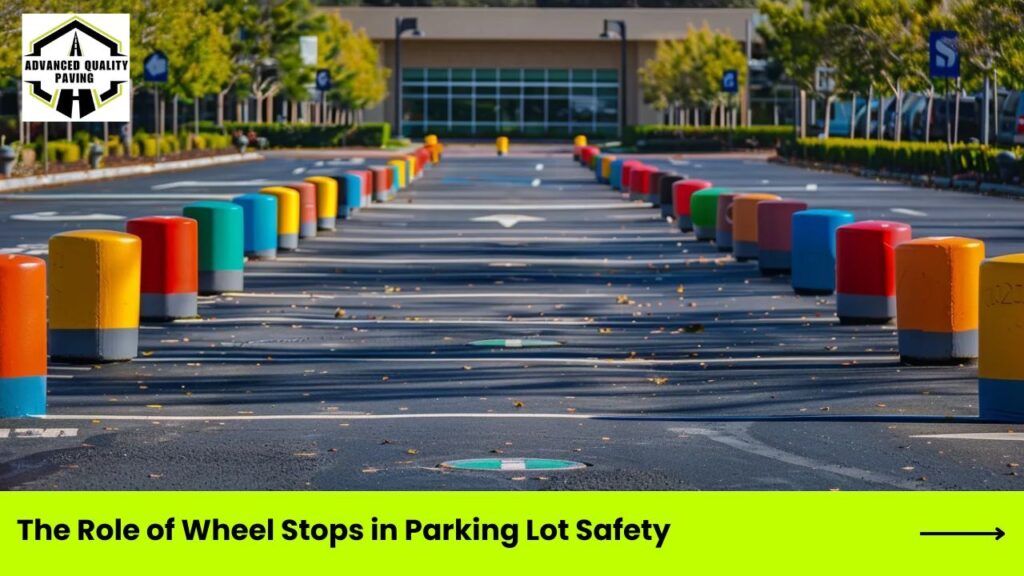
Wheel stops play a crucial role in parking lot safety, but many property owners overlook their importance. This article explores the core purpose of wheel stops, their safety benefits, and how they protect both vehicles and property. We’ll discuss choosing the right wheel stops, proper installation techniques, and regulatory compliance. By understanding these key aspects, readers will learn how to enhance parking lot safety and reqduce liability risks effectively. Key Takeaways Defining Wheel Stops and Their Core Purpose in Parking Areas Wheel stops, essential components in parking lot safety, serve as physical guides for vehicles. These concrete or natural rubber barriers prevent car overhang onto walkways and establish clear parking space limits. Understanding their role is crucial for minimizing parking lot accidents and maintaining orderly vehicular flow. Proper installation and maintenance, including varnish application, ensure their longevity and effectiveness. Understanding What Wheel Stops Are Wheel stops, also known as parking wheel stops, are sturdy barriers typically made of concrete or polyethylene that serve as physical guides for vehicles in parking areas. These low-profile structures are designed to prevent cars from pulling too far forward, protecting pedestrian walkways and adjacent structures. While traditionally made of concrete, modern wheel stops often use durable polyethylene, which is lighter and easier to install. Some facilities may use forklift-friendly designs for easy relocation, enhancing parking lot flexibility and safety. How Car Stops Physically Guide Vehicles Wheel stops physically guide vehicles by providing a tactile barrier that drivers can feel when their tires make contact. This contact serves as a clear signal to stop, preventing vehicles from overextending into walkways or adjacent spaces. The strategic placement of these stops helps maintain proper spacing between vehicles, reducing the risk of collisions and improving overall parking lot health. Unlike bollards, which are vertical posts, wheel stops offer a low-profile solution that doesn’t impact a driver’s line of sight, potentially improving the bounce rate of parking lot usage. Preventing Vehicle Overhang Onto Walkways Wheel stops play a crucial role in preventing vehicle overhang onto walkways, ensuring pedestrian safety in parking areas. By providing a physical barrier, these rubber structures effectively limit the forward movement of vehicles, reducing the risk of accidents and potential injury to community members. The strategic placement of wheel stops also contributes to trademark protection for businesses, as it helps maintain a safe and organized parking environment, alleviating the pain of liability concerns for property owners. Establishing Clear Parking Space Limits With Wheel Stops Wheel stops effectively establish clear parking space limits, ensuring efficient use of parking areas. These car parking stops, often reinforced with rebar for durability, provide visual and physical cues for drivers to position their vehicles correctly. Property managers can easily install these stops using screws or adhesive, creating well-defined boundaries that comply with GDPR cookie consent regulations for data collection in smart parking systems. By utilizing wheel stops, parking lot operators can maximize space utilization while maintaining safety standards: Benefit Description Space Optimization Clearly defined parking spots maximize lot capacity Vehicle Protection Prevents bumper damage from adjacent vehicles Pedestrian Safety Limits vehicle overhang onto walkways Traffic Flow Guides proper vehicle alignment for smooth entry/exit How Wheel Stops Directly Improve Parking Safety Measures Wheel stops significantly enhance parking lot safety by addressing key areas of concern. These essential devices reduce risks for pedestrians near parking spaces, prevent low-speed collisions between parked cars, assist drivers in proper vehicle positioning, and contribute to organized traffic movement within lots. By incorporating wheel stops, property managers can effectively protect their trademark brand and enhance overall parking space safety for both vehicles and pedestrians. Reducing Risks for Pedestrians Near Parking Spaces Wheel stops play a crucial role in reducing risks for pedestrians near parking spaces. Both rubber parking stops and concrete parking stops create a physical barrier that prevents vehicles from encroaching on walkways, offering essential protection for pedestrians. This safety feature aligns with modern home automation systems, which prioritize security and convenience. By installing wheel stops, property managers can effectively safeguard pedestrians while also protecting their credit card investments in parking infrastructure. Preventing Low-Speed Collisions Between Parked Cars Wheel stops effectively prevent low-speed collisions between parked cars in various parking scenarios, including truck parking areas. These parking blocks create clear boundaries, reducing the risk of vehicles bumping into each other during parking maneuvers. Police departments often recommend their use to enhance parking lot safety and reduce minor accidents. Additionally, wheel stops offer a form of patent protection for parking lot designs, ensuring copyright protection for innovative safety features. The strategic placement of wheel stops in parking areas helps maintain order and minimizes potential conflicts between vehicles: Assisting Drivers in Proper Vehicle Positioning Wheel stops assist drivers in proper vehicle positioning, enhancing parking safety by providing a tactile guide for tire placement. The optimal height of these stops allows drivers to feel when their vehicle has reached the appropriate distance from the parking space boundary. This physical cue helps prevent overhanging onto walkways or adjacent spaces, while the use of durable adhesives ensures the wheel stops remain securely in place. Some facilities apply a protective varnish to extend the lifespan of concrete wheel stops, further improving their effectiveness in maintaining orderly parking arrangements. Contributing to Organized Traffic Movement Within Lots Wheel stops contribute significantly to organized traffic movement within parking lots, enhancing overall safety and efficiency. These barriers serve as visual and physical guides, directing drivers to park in designated spaces and maintain proper lane alignment. By incorporating wheel stops into the parking lot design, property managers can implement an effective risk management strategy that reduces the potential for accidents and improves traffic flow. This approach aligns with modern smart home and security system concepts, where personal information and safety are prioritized. Wheel stops help create a structured environment that minimizes confusion and potential conflicts between vehicles, ultimately leading to a smoother parking experience for all users: Benefit Impact on Traffic Movement Clear Lane Delineation Prevents vehicles from encroaching on driving lanes Improved Space Utilization Ensures efficient use of available

Blogs

What Is an Asphalt Overlay and When Do You Need One?

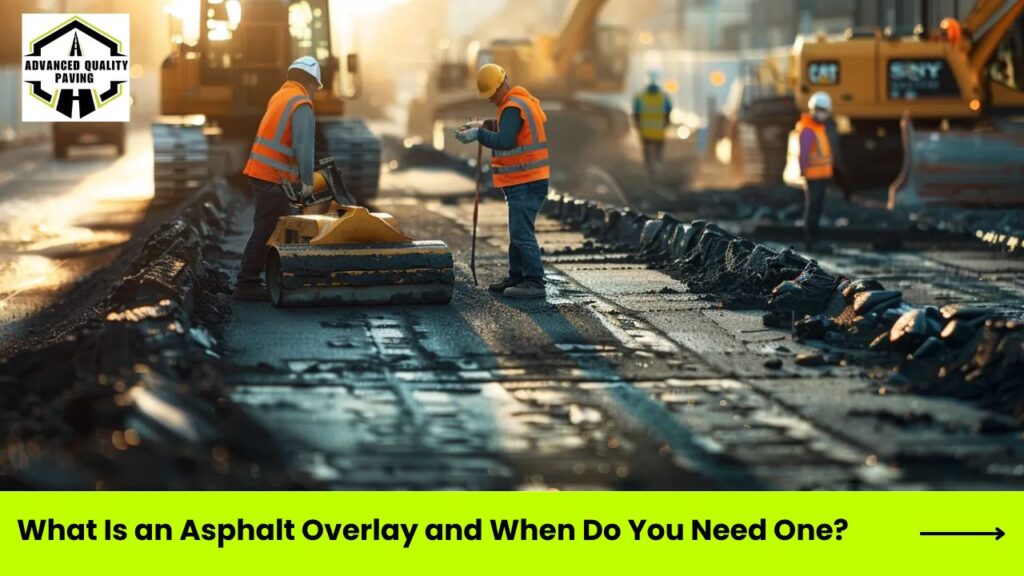
Is your asphalt driveway showing signs of wear and tear? An asphalt overlay might be the solution you need. This article explains what an asphalt overlay is, when it’s necessary, and its benefits compared to full pavement reconstruction. We’ll cover the installation process, cost considerations, and how to prepare your property for resurfacing. By understanding these key points, you’ll be better equipped to make informed decisions about maintaining your asphalt surfaces, potentially saving time and money in the long run. Key Takeaways Defining the Asphalt Overlay Technique Asphalt overlay is a paving technique used to restore road surfaces and asphalt parking lots. This method involves applying a new layer of asphalt over existing pavement, differing from sealcoating treatments. The overlay consists of a specialized asphalt mix, sometimes incorporating geotextile materials for added strength. Advanced Quality Paving offers free estimates for this effective pavement resurfacing service, which can significantly extend the life of paved surfaces. What Pavement Resurfacing Entails Pavement resurfacing involves the application of a new asphalt mat over existing pavement to improve its structural integrity and aesthetics. This process begins with the preparation of the subgrade, followed by the application of a tack coat or binder to ensure proper adhesion. The new asphalt layer is then carefully laid and compacted, creating a smooth, durable surface that can withstand heavy traffic and environmental factors. offers several benefits: Distinguishing Overlays From Sealcoating Treatments Asphalt overlays and sealcoating treatments serve different purposes in pavement maintenance. While sealcoating applies a thin protective coat to the surface, overlays involve laying a new layer of asphalt over existing pavement. This mill and overlay process often requires more extensive construction, including adjustments to curbs and concrete surfaces. Overlays provide substantial structural reinforcement, whereas sealcoating primarily offers surface protection against weather and minor damage. The Composition of an Asphalt Overlay Layer The composition of an asphalt overlay layer typically includes a carefully engineered mix of aggregates, binders, and additives designed to enhance durability and performance. This specialized blend often incorporates recycled materials, promoting sustainability in pavement maintenance. The mix is formulated to address specific issues such as drainage improvement and pothole prevention, with the mill overlay process allowing for precise adjustments to existing surfaces before application. How Overlays Restore Pavement Surfaces Asphalt overlays effectively restore pavement surfaces by addressing various types of stress and deterioration. This driveway asphalt resurfacing technique involves applying a new layer of asphalt, typically 1 to 2 inches thick, over the existing surface. The process can effectively repair damage caused by heavy truck traffic, weather exposure, and general wear. For concrete surfaces, methods may be employed to provide a smooth, durable finish that enhances both functionality and appearance. Spotting the Signals for an Asphalt Overlay Need Identifying the need for an asphalt overlay involves recognizing key indicators of pavement deterioration. These signs include extensive surface cracking, visible aging and wear, minor irregularities, faded or oxidized asphalt, and standing water issues. Timely identification of these problems can help property owners address pavement damage before it leads to costly repairs, ensuring optimal waterproofing and preventing ruts that compromise surface integrity. Identifying Extensive Surface Cracking Extensive surface cracking signals the need for a pavement overlay, indicating structural fatigue that simple sealcoat treatments cannot address. These cracks, which often resemble alligator skin, form due to repeated stress from traffic and environmental factors. As cracks multiply and widen, they accelerate the deterioration process, potentially increasing driveway asphalt resurfacing costs if left untreated. Prompt action with a pavement overlay can restore the surface’s integrity and extend its lifespan, reducing long-term maintenance expenses. Recognizing Signs of Age and Wear Recognizing signs of age and wear in asphalt surfaces is crucial for determining the need for an asphalt driveway overlay. As roads and driveways age, they may exhibit reduced adhesion, compromising surface longevity and safety. Property owners should watch for fading color, surface raveling, and minor depressions that can impact drainage. Addressing these issues promptly with an overlay can extend pavement life while staying within budget constraints. The following table illustrates common signs of asphalt aging: Sign of Aging Description Impact on Surface Color Fading Asphalt turns from black to gray Indicates oxidation and loss of oils Surface Raveling Loose aggregate on surface Reduces skid resistance and accelerates wear Minor Depressions Shallow dips in pavement Can lead to water pooling and further damage Addressing Minor Surface Irregularities Minor surface irregularities in asphalt driveways often signal the need for overlay paving. These imperfections, such as small potholes or uneven areas, can worsen over time if left unaddressed. Overlay paving offers a cost-effective solution to these issues, typically requiring less extensive work than full asphalt resurfacing. The process may involve milling the existing surface to ensure proper bonding and leveling before applying the new layer, which can significantly impact the overall asphalt resurfacing cost: Observing Faded or Oxidized Asphalt Faded or oxidized asphalt serves as a clear indicator that an overlay may be necessary. As asphalt ages, exposure to sunlight and weather causes oxidation, leading to a grayish appearance and brittle surface. This oxidation process weakens the pavement, making it more susceptible to cracking and water penetration. Property owners who notice their once-black asphalt turning gray should consider contacting Advanced Quality Paving for an assessment, as an overlay can restore the surface’s protective qualities and appearance before more severe damage occurs. Dealing With Standing Water Problems Standing water on asphalt surfaces indicates poor drainage and signals the need for an overlay. When water pools on driveways or parking lots, it can seep into the pavement, weakening its structure and accelerating deterioration. Advanced Quality Paving experts assess these areas to determine if an overlay can correct the slope and improve water runoff. By addressing standing water issues promptly with an asphalt overlay, property owners can prevent more extensive damage and extend the lifespan of their paved surfaces. Asphalt Overlay Versus Complete Pavement Reconstruction When considering pavement maintenance, property owners must choose between asphalt overlay and complete reconstruction. This section examines the conditions suitable

Understanding the Importance of Crack Filling in Asphalt Maintenance
Blogs

Understanding the Importance of Crack Filling in Asphalt Maintenance

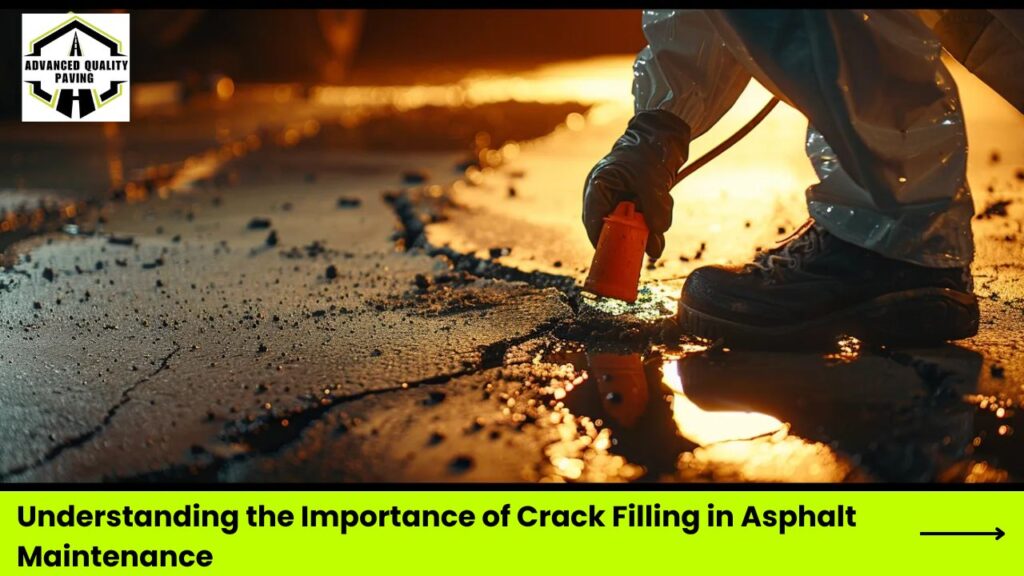
Cracks in asphalt may seem minor, but they can lead to serious damage if left untreated. This article explores the importance of crack filling in asphalt maintenance, focusing on its role in preserving pavement integrity and extending its lifespan. Readers will learn about the crack filling process, its benefits, and how Advanced Quality Paving in Beckley provides expert crack sealing services. By understanding the value of timely crack repair, property owners can protect their investments and avoid costly replacements. Key Takeaways Understanding the Role of Crack Filling in Asphalt Maintenance Crack filling plays a crucial role in maintaining asphalt surfaces, ensuring their longevity and safety for pedestrians and vehicles. This section explores the causes of asphalt cracks, early warning signs, and environmental factors affecting pavement integrity. Understanding these aspects helps property owners recognize when to apply sealers or consider more extensive repairs, preventing further deterioration and preserving the surface’s functionality. What Causes Cracks to Form in Asphalt Surfaces Asphalt surfaces develop cracks due to various factors, including climate changes, sand erosion, and improper installation. Extreme temperature fluctuations cause the asphalt to expand and contract, leading to stress and eventual cracking. Additionally, poor drainage and inadequate base preparation during installation can compromise the pavement’s structural integrity, resulting in premature cracking and reduced customer satisfaction. Addressing these issues promptly helps maintain a strong link between the asphalt layers and extends the pavement’s lifespan. Early Signs Indicating the Need for Crack Filling Identifying early signs of asphalt deterioration is crucial for timely crack filling and effective asphalt driveway repair. Property owners should watch for hairline cracks, surface discoloration, and minor depressions in the pavement. These indicators often signal the need for professional sealing services to prevent further damage. Commercial property managers should also pay attention to changes in surface texture and small potholes, which may require cold asphalt patching or line striping to maintain safety and aesthetics. The Environmental Impact on Asphalt Integrity Environmental factors significantly impact asphalt integrity, necessitating regular driveway repair and maintenance. Snow accumulation and freeze-thaw cycles can cause surface cracks, requiring adhesive applications with specialized wands. Extreme temperatures, particularly in areas using propane for heating, can accelerate asphalt deterioration. To combat these issues, property owners should consider the following preventive measures: The Process of Asphalt Repair and Crack Filling Effective asphalt repair and crack filling require proper techniques and materials. This section explores choosing the right crack filling material, provides a step-by-step guide for filling asphalt cracks, and outlines essential tools for application. Understanding these aspects helps paving companies and property owners perform successful sealcoat jobs, ensuring durable asphalt patches and efficient use of materials by the gallon. Choosing the Right Crack Filling Material Selecting the appropriate crack filling material is crucial for effective asphalt maintenance. Specialized asphalt paving services often recommend mastic-based fillers for their durability and flexibility. These materials are typically shipped in pallets, allowing for efficient distribution to job sites. When choosing a filler, consider factors such as climate, traffic load, and crack width to ensure optimal performance and longevity of the repair. Step-by-Step Guide to Filling Asphalt Cracks Advanced Quality paving professionals follow a systematic approach to blacktop repair patch and basement crack repair. The process begins with thorough cleaning and preparation of the crack, ensuring a clean surface for optimal adhesion. Next, technicians apply the appropriate filler material using specialized equipment that maintains consistent pressure for even distribution. For flooring applications, such as basement floors, additional steps may be necessary to address moisture issues. The repair process concludes with surface leveling and curing, resulting in a seamless repair that enhances the overall integrity of the asphalt surface. Here’s a step-by-step guide: Essential Tools and Equipment for Effective Application Effective asphalt crack filling requires specialized tools and equipment. Professional paving solutions utilize advanced machinery, including heated bitumen trucks, for efficient application. These trucks contain heating elements to maintain the proper temperature of crack filling materials. Other essential tools include air compressors for cleaning cracks, hot-air lances for drying, and applicator wands for precise material placement. The following table outlines key equipment used in asphalt crack filling: Equipment Purpose Heated Bitumen Truck Material transport and heating Air Compressor Crack cleaning Hot-Air Lance Crack drying Applicator Wand Precise material placement Benefits of Regular Crack Filling for Asphalt Longevity Regular crack filling offers significant benefits for asphalt longevity in Virginia’s varied climate. This maintenance practice leads to cost savings through timely repairs, improves aesthetic appeal, and extends the lifespan of asphalt surfaces. By addressing cracks early, property owners can prevent heat-related damage and avoid costly asphalt driveway replacements. The following sections explore these advantages in detail. Cost Savings Through Timely Maintenance Regular crack filling in asphalt maintenance leads to significant cost savings for property owners. By addressing minor issues promptly, such as foundation crack repair near me or asphalt driveway repair near me, larger and more expensive problems can be prevented. This proactive approach extends the life of asphalt surfaces, reducing the frequency of major repairs or complete replacements. Additionally, some asphalt paving companies incorporate recycling techniques, further lowering costs and promoting environmental sustainability in the maintenance process. Improving Aesthetic Appeal With Proper Crack Management Proper crack management significantly enhances the aesthetic appeal of asphalt surfaces, contributing to the overall appearance of properties. Regular crack sealing and asphalt driveway repairs prevent unsightly fissures from expanding, maintaining a smooth and uniform surface. Property owners seeking “asphalt driveway resurfacing near me” can benefit from professional services that not only address structural issues but also improve visual appeal. Effective crack management techniques include: Extending the Lifespan of Asphalt Surfaces Regular crack filling significantly extends the lifespan of asphalt surfaces in Southern West Virginia. This proactive approach to maintenance prevents water infiltration and subsequent damage, especially in areas prone to freeze-thaw cycles. Advanced Quality Paving offers comprehensive services, including asphalt resurfacing near me, driveway sealing, and parking lot paving, to address various pavement needs. By implementing a consistent crack filling strategy, property owners can delay the need for major repairs or complete replacements,

What Is Seal Coating and Its Role in Asphalt Protection and Pavement Maintenance?
Blogs

What Is Seal Coating and Its Role in Asphalt Protection and Pavement Maintenance?

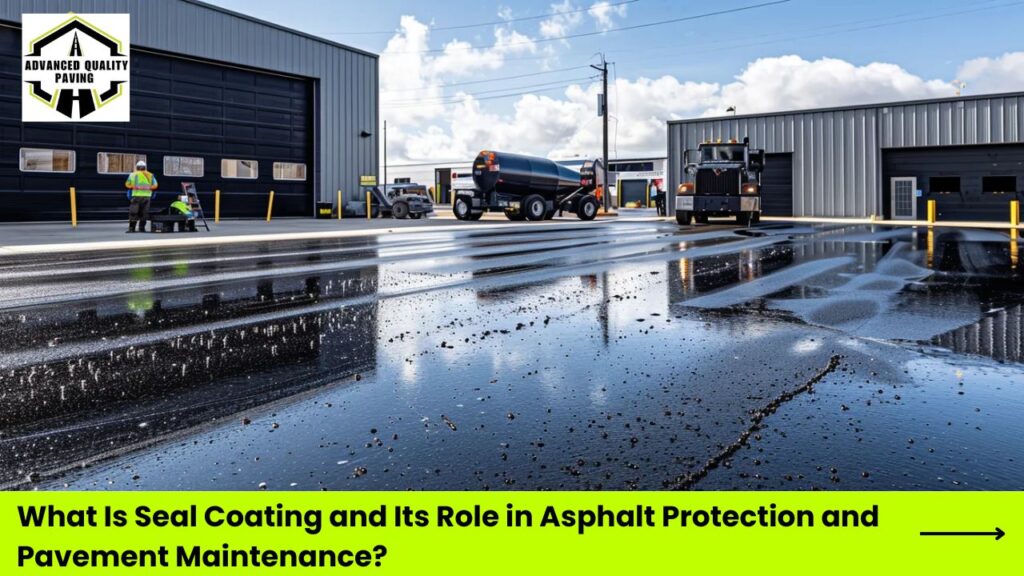
Asphalt surfaces face constant wear and tear, leading to costly repairs and replacements. Seal coating offers a solution to this common problem. This article explores what seal coating is, how it protects asphalt, and its role in pavement maintenance. Readers will learn about the cost-effectiveness of seal coating, its environmental impact, and answers to frequently asked questions. By understanding seal coating, property owners can make informed decisions to extend the life of their asphalt surfaces and reduce long-term expenses. Key Takeaways What Is Seal Coating and How Does It Work? Seal coating is a protective layer applied to asphalt surfaces, including blacktop driveways. This process involves understanding seal coating materials, application techniques, and product types. Effective seal coating shields asphalt from soil, gravel, and weather damage, preventing potholes and extending pavement life. Advanced Quality Paving utilizes advanced seal coating methods to protect and maintain asphalt surfaces in Beckley and surrounding areas. Understanding the Composition of Seal Coating Materials Seal coating materials typically consist of a mixture of asphalt emulsion, water, mineral fillers, and various additives. This composition creates a protective coat that acts as a waterproofing agent when applied to road surfaces. The asphalt emulsion forms a durable barrier against ice and other elements, while the mineral fillers enhance the strength and texture of the seal coat. Advanced Quality Paving in Beckley uses advanced seal coating formulations to ensure optimal protection for both residential and commercial asphalt surfaces: Component Function Asphalt Emulsion Forms protective barrier Water Aids in application Mineral Fillers Enhances strength and texture Additives Improves performance and durability The Application Process for Effective Seal Coating The application process for effective asphalt sealcoat involves thorough preparation and precise execution. Advanced Quality Paving’s experienced technicians begin by cleaning the road surface, removing debris and repairing any existing damage. They then apply the sealcoat mixture evenly across the pavement, ensuring proper coverage and adhesion. This process typically requires multiple layers, with each coat allowed to dry before the next application. The final step includes adding sand or another filler material to enhance traction and durability, completing the maintenance procedure and providing a renewed view of the protected surface. Common Types of Seal Coating Products Used Advanced Quality Paving offers a range of seal coating products tailored to various asphalt surfaces. These include coal tar-based sealers, asphalt emulsion sealers, and acrylic sealers. Each type serves specific purposes, from protecting driveways to sealing concrete floors. For those searching for “driveway sealers near me” in Beckley, Advanced Quality Paving provides expert guidance on selecting the most suitable product. Their technicians consider factors such as traffic load, climate conditions, and surface type when recommending sealers for asphalt concrete, pavers, or pallets. The Importance of Seal Coating for Asphalt Protection Seal coating plays a crucial role in protecting asphalt surfaces, including driveways and highways. This protective layer shields against UV rays, enhances water and chemical resistance, and extends pavement longevity. Advanced Quality Paving offers expert seal coating services in Beckley, utilizing advanced techniques and materials to ensure optimal protection for both concrete and tar-based surfaces. Regular seal coating maintenance proves essential for preserving asphalt integrity and reducing the need for costly repairs or recycling. How Seal Coating Prevents Damage From UV Rays Seal coating effectively shields asphalt surfaces from harmful UV rays, which can cause oxidation and deterioration. Advanced Quality Paving’s asphalt services in Beckley include professional sealcoating applications that create a protective barrier, controlling the rate of UV damage and extending pavement life. For those seeking “sealcoating near me,” Advanced Quality Paving offers competitive fees and expert application techniques that ensure optimal protection against sun-induced cracking and fading of asphalt paving. The Role of Seal Coating in Water and Chemical Resistance Seal coating plays a crucial role in protecting asphalt surfaces from water and chemical damage. Advanced Quality Paving’s driveway sealcoating services in Beckley create a barrier that prevents water infiltration and chemical penetration, reducing the risk of deterioration and extending the lifespan of asphalt surfaces. Their experienced team uses advanced sealcoating techniques, including squeegee application, to ensure even coverage and maximum protection against harmful substances and waste materials: Protection Type Benefit Water Resistance Prevents moisture penetration Chemical Resistance Guards against harmful substances Durability Enhancement Extends pavement lifespan Surface Preservation Maintains asphalt integrity Enhancing the Longevity of Asphalt With Regular Seal Coating Regular seal coating significantly extends asphalt longevity by protecting it from rain, traffic wear, and environmental damage. Advanced Quality Paving in Beckley applies asphalt emulsion-based sealants that create a durable barrier, shielding surfaces from heavy truck traffic and harsh weather conditions. This proactive maintenance approach reduces the need for costly repairs and prolongs pavement life, making it an effective advertisement for property owners seeking long-term value and durability in their asphalt investments. Seal Coating as a Key Component of Pavement Maintenance Seal coating is a vital aspect of pavement maintenance, protecting asphalt surfaces from ultraviolet rays and extending their lifespan. This section explores the recommended frequency for seal coating applications, its role in creating smooth driving surfaces, and signs indicating the need for treatment. Understanding these factors helps property owners make informed decisions about “seal coating near me” services, ensuring optimal pavement protection and longevity. The Recommended Frequency for Seal Coating Applications Advanced Quality Paving recommends seal coating applications every 2-3 years for optimal pavement protection. This frequency accounts for factors such as traffic volume, weather conditions, and surface wear. Property owners should consider their specific circumstances when scheduling seal coating services, ensuring timely application to maintain asphalt integrity. The process involves spraying or brushing a concrete driveway sealer onto the surface, creating a protective barrier against environmental damage. Advanced Quality Paving provides detailed accounts and PDF documentation for each project, helping clients track maintenance schedules and understand the long-term benefits of regular seal coating: How Seal Coating Contributes to a Smooth Driving Surface Seal coating significantly contributes to a smooth driving surface by filling in small cracks and imperfections in the asphalt. This process, which includes blacktop sealcoating, creates a uniform appearance and texture, enhancing

The Importance of Parking Lot Striping for Ensuring Safety in Beckley Businesses
Blogs

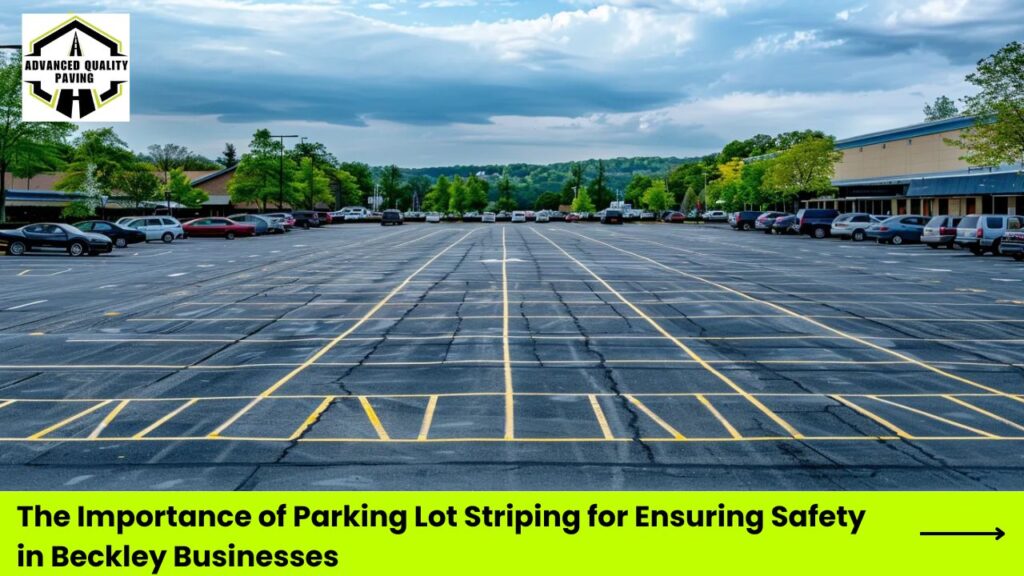
The Importance of Parking Lot Striping for Ensuring Safety in Beckley Businesses

Poorly maintained parking lots pose significant safety risks for businesses in Beckley. This article explores the crucial role of parking lot striping in ensuring safety for customers and employees. We’ll examine the key benefits of proper striping, compliance with local regulations, and cost-effective solutions for Beckley businesses. By understanding the importance of well-maintained parking areas, business owners can create safer environments and reduce liability risks. Key Takeaways Understanding Parking Lot Striping and Its Role in Safety Parking lot striping plays a crucial role in ensuring safety for Beckley businesses. The use of vibrant color and clear stencil designs creates visual cues that guide drivers and pedestrians, reducing the risk of accidents and confusion. Well-designed striping helps designate protected areas for pedestrians, clearly marking crosswalks and walkways. It also ensures accessible parking spaces are properly identified and located for those who need them. In emergency situations, properly striped parking lots can act as a fire blanket, providing clear paths for evacuation and allowing emergency vehicles easy access. This strategic layout can be lifesaving in critical moments. Key Benefits of Parking Lot Striping for Beckley Businesses Parking lot striping offers significant benefits for Beckley businesses, enhancing safety and functionality. Proper striping improves visibility and traffic flow, guiding vehicles efficiently through the lot. It also defines safe walking areas for pedestrians, reducing accident risks. Advanced Quality Paving uses airless sprayers to create durable markings that withstand heavy use, ensuring long-lasting safety for shops and their customers. Enhancing Visibility and Traffic Flow Clear parking lot striping enhances visibility and streamlines traffic flow, reducing the risk of accidents and improving environmental health and safety. Advanced Quality Paving’s expert designs optimize space utilization, allowing for efficient vehicle movement and pedestrian safety. This development of well-structured parking areas not only meets OSHA 10 standards but also provides real benefits to businesses by minimizing congestion and potential hazards. Defining Safe Walking Areas Proper pavement marking in parking lots defines safe walking areas, significantly reducing the risk of work accidents for employees and customers. The National Safety Council emphasizes the importance of clearly designated pedestrian paths to prevent vehicle-pedestrian collisions. By implementing effective parking lot striping, businesses can create a safer environment, potentially lowering health care costs associated with workplace injuries and improving overall safety compliance. Compliance With Safety Regulations in Beckley Compliance with safety regulations in Beckley is essential for businesses managing parking lots. Understanding local laws and guidelines ensures proper sealcoat application and foot traffic management. Research-driven designs, approved by chief executive officers, must prioritize ADA compliance to create inclusive and safe parking spaces. These measures protect businesses and their patrons while adhering to legal requirements. Understanding Local Laws and Guidelines Understanding local laws and guidelines is crucial for businesses implementing parking lot striping in Beckley. The corporation responsible for pavement and line striping must possess thorough knowledge of transport regulations to ensure compliance. This includes adhering to specific requirements for parking space dimensions, accessible parking, and proper signage. Compliance with these regulations not only enhances safety but also protects businesses from potential legal issues: Regulation Requirement Impact ADA Compliance Specific number of accessible spaces Ensures inclusivity Fire Lane Markings Clear, unobstructed access for emergency vehicles Improves emergency response times Pedestrian Crossings Clearly marked walkways Reduces pedestrian-vehicle accidents Importance of ADA Compliance in Parking Lot Design ADA compliance in parking lot design is crucial for ensuring accessibility and safety for all individuals. Proper implementation includes designated spaces with appropriate markings, clear language on signs, and strategic placement of bollards to protect pedestrians. Police and safety officials often conduct inspections to verify compliance, emphasizing the importance of adhering to these regulations. A well-designed ADA-compliant parking lot not only meets legal requirements but also demonstrates a commitment to inclusivity and safety: ADA Requirement Implementation Benefit Accessible Spaces Wide spaces with access aisles Accommodates wheelchair users Signage Clear, visible signs with appropriate symbols Easily identifies accessible parking Bollards Strategically placed to protect pedestrian areas Enhances safety for all users Types of Parking Lot Striping Techniques Parking lot striping techniques encompass various methods to enhance safety and visibility. These include standard line striping for cars, specialized stencils for handicapped parking, and directional arrows with safety markings. Each technique serves a specific purpose, ensuring clear navigation and compliance with regulations. Proper implementation of these methods is crucial for attorneys advising on liability issues and for maintaining a secure parking environment. Standard Line Striping for Cars Standard line striping for cars is a fundamental technique in parking lot organization, optimizing traffic flow and enhancing safety. Advanced Quality Paving employs durable parking lot paint to create clear, visible lines that guide drivers and maximize space utilization. This method not only improves the overall aesthetic of real estate properties but also helps physicians and other professionals navigate parking areas efficiently, reducing the risk of accidents and ensuring a smooth experience for visitors. Specialized Stencils for Handicapped Parking Specialized stencils for handicapped parking play a crucial role in ensuring safety and accessibility in Beckley businesses. These stencils, designed to meet health and safety standards, create clearly marked spaces and aisles for individuals with disabilities. In bustling areas like New York City, where parking is at a premium, these markings are essential for effective marketing of accessible facilities and compliance with regulations. Directional Arrows and Safety Markings Directional arrows and safety markings are essential components of parking lot striping, designed to guide traffic flow and enhance safety. A certified safety professional oversees the implementation of these markings, ensuring they meet emergency medical services requirements. These visual cues help drivers navigate the parking lot efficiently, especially in mountainous areas where visibility might be challenging. Proper use of directional arrows and safety markings can significantly reduce accidents, protecting both pedestrians and workers wearing safety gloves: Marking Type Purpose Safety Impact Directional Arrows Guide traffic flow Reduces collisions Stop Lines Indicate where vehicles should stop Prevents accidents at intersections Crosswalk Markings Designate pedestrian crossing areas Enhances pedestrian safety The Impact of Proper Parking Lot Maintenance on Safety Proper parking lot maintenance is crucial for ensuring

Blogs

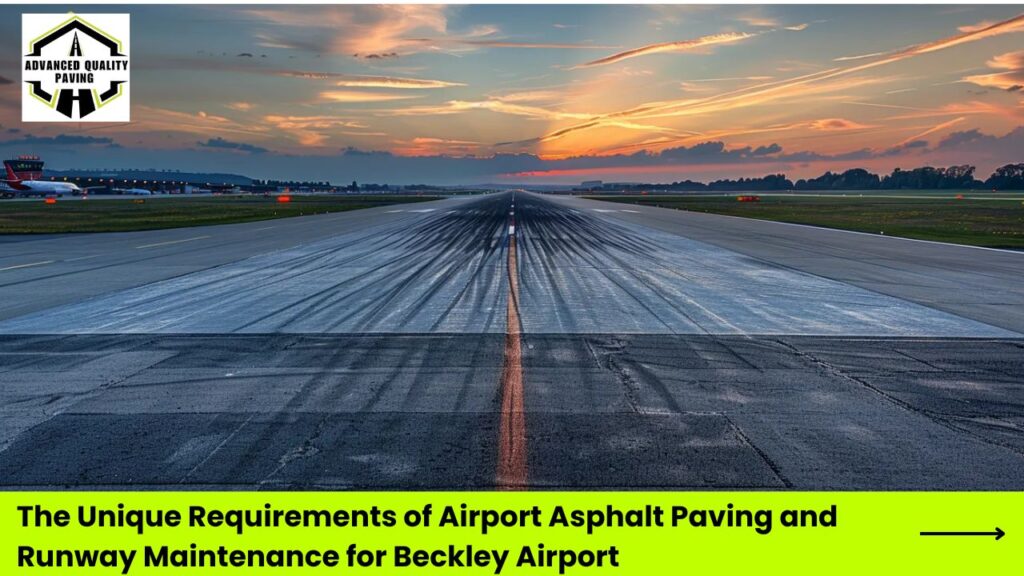
The Unique Requirements of Airport Asphalt Paving and Runway Maintenance for Beckley Airport

Airport runways demand specialized asphalt paving and maintenance. Beckley Airport faces unique challenges in ensuring safe, durable surfaces for aircraft operations. This article explores the specific requirements of airport asphalt paving, key components of runway maintenance, and the role of technology in these processes. Readers will gain insights into cost factors, challenges, and future trends in airport paving and maintenance, helping them understand the complexities of keeping Beckley Airport’s runways in top condition. Key Takeaways Understanding the Unique Requirements of Airport Asphalt Paving Airport asphalt paving requires specific materials, regulatory compliance, and environmental considerations. Successful paving projects must account for weather impacts on asphalt performance and maintenance. Paving contractors in Detroit and other regions must adhere to strict standards to ensure runway safety and longevity. This section provides essential information on these unique requirements for airport asphalt paving. Importance of Quality Materials in Airport Paving Quality materials are paramount in airport asphalt paving, ensuring the safety and longevity of runways at facilities like Beckley Airport. The asphalt used must meet stringent specifications for durability, weather resistance, and load-bearing capacity, similar to standards set by Charlotte Douglas International Airport. Proper material selection, combined with precise measurement techniques often employed in Switzerland, contributes to improved efficiency and reduced maintenance needs, ultimately enhancing the overall performance of airport pavements. Regulatory Standards for Airport Runway Construction Airport runway construction adheres to strict regulatory standards set by aviation authorities. These standards encompass pavement design, material specifications, and construction techniques, ensuring safe operations at various altitudes. In Dallas and other major cities, concrete paving often complements asphalt for enhanced durability. Runway pavement must withstand extreme weather conditions and heavy aircraft loads, requiring specialized construction methods and materials: Environmental Considerations in Asphalt Paving Environmental considerations play a crucial role in airport asphalt paving, particularly at facilities like Greenbrier Valley Airport. Contractors must monitor various parameters, including friction levels, to ensure optimal runway conditions. In Brazil and other regions, innovative techniques are being employed to reduce the environmental impact of paving processes while maintaining high safety standards. Condition monitoring systems are increasingly used to assess pavement performance and predict maintenance needs, helping airports balance operational efficiency with environmental responsibility. Weather Impact on Asphalt Performance and Maintenance Weather conditions significantly impact asphalt performance and maintenance at airports like Beckley and Dallas Love Field. Extreme temperatures, precipitation, and freeze-thaw cycles pose risks to pavement integrity, requiring general contractors to implement robust maintenance strategies. In London and other locations with varying climates, paving projects must account for these factors to ensure longevity and safety of runway surfaces. Key Components of Runway Maintenance for Beckley Airport Effective runway maintenance at Beckley Raleigh County Airport involves routine inspections, specialized equipment, and strategies to address common surface issues. This section explores key components of runway upkeep, including inspection protocols, repair tools, and cost-effective maintenance approaches. Understanding these elements is crucial for ensuring safe operations and minimizing contamination risks at international airports like Beckley. Routine Inspection Protocols for Airport Runways Routine inspection protocols for airport runways involve systematic checks performed by trained personnel, often following guidelines established by international aviation authorities. These inspections, which may occur daily or weekly depending on the airport’s traffic volume, assess runway conditions, identify potential hazards, and ensure compliance with safety standards. Inspectors use specialized equipment to measure surface friction, detect foreign object debris (FOD), and evaluate pavement integrity, drawing on best practices from countries like Singapore, Italy, and Sweden to maintain high safety standards. Specialized Equipment Needed for Runway Repair Specialized equipment for runway repair at Beckley Airport includes precision approach path indicators and frequency monitors to ensure accurate aircraft guidance. These tools, along with advanced engines for heavy machinery, allow for efficient road-like repairs on runways. Drawing inspiration from Korea’s advanced airport maintenance practices, Beckley Airport employs cutting-edge technology to maintain optimal runway conditions: Equipment Purpose Benefit Precision Approach Path Indicator Visual guidance for pilots Improved landing accuracy Frequency Monitor Communication system check Enhanced safety Heavy Machinery Engines Runway resurfacing Efficient repairs Addressing Common Runway Surface Issues Addressing common runway surface issues at Beckley Airport involves a comprehensive pavement management approach, aligned with International Civil Aviation Organization standards. Wear and tear, such as cracking and rutting, are monitored through regular inspections, while displaced threshold markers are adjusted as needed to ensure safe takeoffs and landings. The United Kingdom’s airport maintenance practices serve as a model for efficient runway repair strategies, helping Beckley Airport maintain optimal surface conditions for aircraft operations. Implementing Effective Maintenance Strategies Implementing effective maintenance strategies at Beckley Airport involves a comprehensive approach that prioritizes runway safety areas and communication between aircraft pilots and ground crews. The airport’s maintenance team draws inspiration from Thailand’s advanced aviation practices, incorporating elements such as regular safety inspections and prompt repair of surface irregularities. Contour Airlines, which operates at Beckley, benefits from these strategies that ensure safe takeoffs and landings: Maintenance Strategy Purpose Impact Regular Safety Inspections Identify potential hazards Improved runway safety Prompt Surface Repairs Maintain smooth runway conditions Enhanced aircraft performance Pilot-Ground Crew Communication Coordinate maintenance activities Minimized operational disruptions The Role of Technology in Airport Paving and Maintenance Technology plays a crucial role in airport paving and maintenance at Beckley Airport, ensuring runway safety and efficient takeoffs. Innovations in asphalt technology improve durability, while drones monitor runway conditions, detecting potential issues that could have adverse effects on operations. Software solutions streamline maintenance management, creating a bridge between various airport systems. These advancements, inspired by practices in Colombia and other countries, enhance overall airport performance. Innovations in Asphalt Technology Innovations in asphalt technology have revolutionized airport paving, especially for facilities like Beckley Airport. The Federal Aviation Administration has approved advanced asphalt concrete mixtures that offer superior durability and weather resistance. These new formulations, developed through extensive research in North America, provide enhanced load-bearing capacity and reduce maintenance requirements. Aviation experts have noted significant improvements in runway performance and longevity with these innovative materials: Innovation Benefit Impact on Aviation High-Performance Asphalt Concrete Increased Durability Extended Runway Lifespan Weather-Resistant Mixtures Improved Resilience Reduced Weather-Related Delays

What Is Asphalt Grading and Its Impact on Pavement Longevity With Beckley Grading Services
Blogs

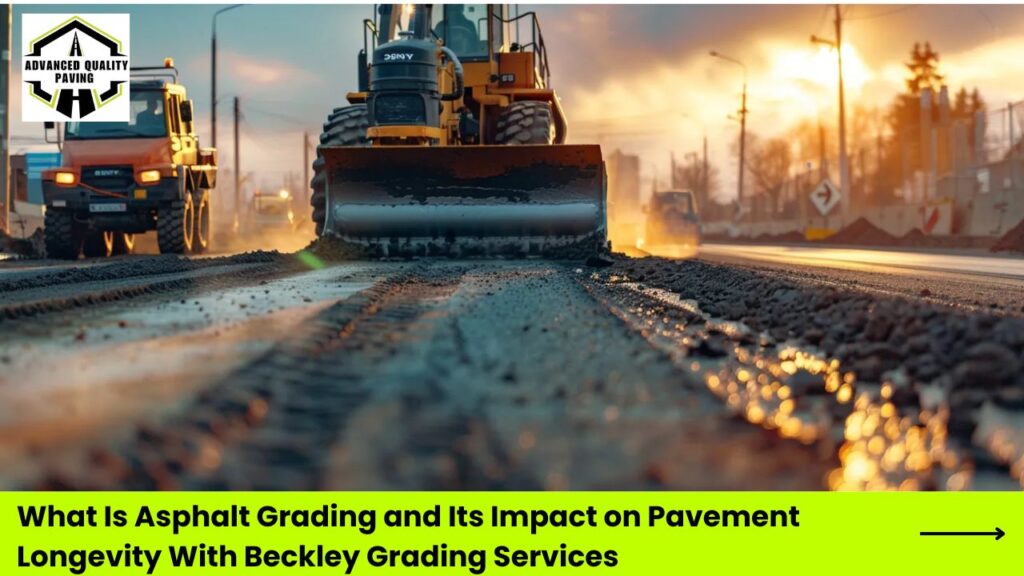
What Is Asphalt Grading and Its Impact on Pavement Longevity With Beckley Grading Services

Proper asphalt grading is crucial for long-lasting pavements, yet many property owners overlook its importance. This article explains asphalt grading, its impact on pavement durability, and how Beckley Grading Services ensures optimal results. Readers will learn about key grading factors, the benefits of professional services, and maintenance tips for extending pavement life. Understanding these aspects can help property owners make informed decisions and avoid costly repairs in the future. Key Takeaways What Is Asphalt Grading? Asphalt grading is a critical process in road construction that involves creating a stable foundation for asphalt concrete. It requires careful attention from experienced contractors to ensure proper drainage and support for the pavement structure. The grading process shapes the surface to specific slopes and elevations, allowing water to flow away from the pavement. This helps prevent ice formation and reduces wear and tear on the asphalt, extending its lifespan. Proper grading is essential for creating a smooth, durable surface that can withstand heavy traffic and harsh weather conditions. It forms the basis for a long-lasting asphalt concrete road that requires less maintenance over time. The Role of Asphalt Grading in Pavement Longevity Proper asphalt grading plays a crucial role in extending pavement longevity. In Virginia, where traffic and weather conditions vary, effective grading techniques ensure optimal drainage and support for the asphalt binder. This section explores how grading affects pavement lifespan and the connection between grading methods and durability, even in challenging environments like gardens. How Proper Grading Affects the Lifespan of Pavements Proper grading significantly extends pavement lifespan by ensuring effective water drainage and preventing erosion. In Beckley, where coal mining activities can impact soil stability, well-executed grading creates a solid foundation that withstands heavy vehicle traffic. Proper grading also incorporates sediment control measures, reducing the risk of sidewalk damage and maintaining the integrity of the pavement structure. The following table illustrates the impact of proper grading on pavement longevity: Grading Factor Impact on Pavement Longevity Effective Drainage Reduces water damage and frost heave Erosion Control Prevents subgrade deterioration Solid Foundation Improves load-bearing capacity Sediment Control Minimizes surface degradation The Connection Between Grading Techniques and Durability The connection between grading techniques and durability in asphalt construction plays a crucial role in extending pavement life over many miles. Proper grading ensures effective water drainage, reducing the risk of debris accumulation and preventing premature deterioration. Contractors with liability insurance employ advanced grading methods to create a stable foundation that withstands heavy traffic and environmental stressors, ultimately enhancing the asphalt’s longevity and performance. Key Factors Influencing Asphalt Grading Several key factors influence asphalt grading, affecting pavement longevity and performance. Soil composition impacts the foundation’s stability, while climate considerations determine the asphalt’s durability in various weather conditions. Understanding these factors is crucial for businesses seeking a quality investment in their parking lots. Beckley grading services offer expertise in addressing these elements, ensuring optimal results for projects in Minnesota and beyond. Request a quote to learn more about tailored grading solutions. Soil Composition and Its Impact on Grading Soil composition significantly influences asphalt grading and the overall quality of an asphalt parking lot. The excavation and grading process must account for various soil types, ensuring proper compaction and stability for the asphalt pavement. Clayey soils, for instance, may require additional drainage measures to prevent water retention and subsequent damage to the pavement structure. Properly graded soil enhances tire traction and accessibility, contributing to a safer and more durable asphalt surface. Climate Considerations and Asphalt Performance Climate considerations significantly impact asphalt performance and grading techniques. Professional asphalt contractors account for temperature fluctuations, precipitation levels, and freeze-thaw cycles when determining the optimal asphalt viscosity and gravel composition. These factors influence the pavement’s resistance to cracking, rutting, and other hazards, affecting the frequency of asphalt repair needs. The following table illustrates key climate factors and their impact on asphalt grading: Climate Factor Impact on Asphalt Grading Temperature Range Determines asphalt binder selection Precipitation Influences drainage requirements Freeze-Thaw Cycles Affects sub-base preparation UV Exposure Impacts surface treatment choices Benefits of Professional Asphalt Grading Services Professional asphalt grading services in West Virginia offer significant benefits for pavement longevity and performance. These experts manage risks associated with excavation, especially in coal-rich areas, ensuring accurate grading that enhances pavement life expectancy. Their cost-effective approaches and technical expertise provide long-term value, minimizing future maintenance needs and maximizing the durability of asphalt surfaces. Cost-Effectiveness and Value of Expert Grading Expert asphalt grading delivers significant cost-effectiveness and value for infrastructure projects, including highways and national asphalt pavement initiatives. Professional grading services ensure proper drainage and cement integration, reducing long-term maintenance costs and extending pavement lifespan. By investing in expert grading, project managers can achieve superior results that meet stringent quality standards while optimizing resource allocation. Enhancing Pavement Performance Through Accurate Grading Accurate grading enhances pavement performance by creating a stable foundation that distributes weight evenly, reducing wear on the asphalt surface. This precision extends to various applications, from parking lot striping to bridge approaches, ensuring proper oil drainage and preventing water accumulation. Professional grading services consider factors like vehicle weight and traffic patterns, customizing solutions that maximize pavement durability and minimize the need for frequent maintenance. Beckley Grading Services: A Leader in Asphalt Grading Beckley Grading Services leads in asphalt grading, offering expertise that ensures pavement longevity and minimizes pothole formation. Their skilled pavers utilize quality bitumen to create durable surfaces, emphasizing the importance of proper grading for property value. This section explores their services and showcases customer success stories, highlighting the company’s commitment to excellence in asphalt construction. Overview of Beckley Grading Services and Their Expertise Beckley Grading Services has earned a stellar reputation for its expertise in asphalt grading projects. The company’s skilled professionals excel in creating precisely graded paved surfaces that withstand heavy vehicle weight and ensure optimal roadway performance. Their extensive experience spans a wide range of projects, from residential driveways to major highways, demonstrating their ability to deliver high-quality results consistently. Customer Testimonials and Success Stories Beckley Grading Services has garnered numerous positive testimonials from satisfied customers across various industries. Mining companies praise

Scroll to Top